connecting
people and cultures – inspiring journeys
sharing meaningful discoveries in Asia
 About Alam Asia Net
Asia Destinations News and Links
Journeys and Stories
Support Campaigns and Projects
Alam Indah Bali
Reading, Films, Music
Inspirations
Retreats
Some Favorite Images
About Alam Asia Net
Asia Destinations News and Links
Journeys and Stories
Support Campaigns and Projects
Alam Indah Bali
Reading, Films, Music
Inspirations
Retreats
Some Favorite Images


Read below for:
– Introduction to Chiang Mai and Exploring Wats
Chiang Mai is a place close to my heart as a second home for several years. I hope the information below may be helpful to enjoy special spaces in and around Chiang Mai.
Click on Links below for:
– Arts and Crafts, Galleries, Textiles, Coffee and Tea and Cooking Classes
– Elephants
– Accomodations in and around Chiang Mai and When to Visit
– Meditation in Thailand: Click on: Retreats Page.
– Mae Hong Son and a Piece of Peace in Pai
– Chiang Rai, Golden Triangle and Crossing into Laos and down the Mekong
– Sukhothai and Sri Satchanalai
A bit of Chiang Mai History:
Formerly an independent Kingdom of Lanna, (Lan Na meaning One Million Rice Fields) this rich agricultural region of what is now Northern Thailand, was once ruled by a succession of Kings from 13-18th centuries before becoming integrated into Siam following a period of 200 years occupation by the Burmese.
Beginning in sixth century, various ethnic Tai, and later followed by other mountain-dwelling ethnic groups, began migrations from southern China into the highlands of Thailand, Laos, Vietnam and Myanmar. These migrations have created a unique multi-cultural identity to the region. Ethnic groups which settled around Chiang Mai include the Akha, Hmong, Lahu, Lisu and Karen. Lanna also formerly extended to a large part of present day Shan State of Myanmar. A large population of Tai Yai (Shan) people reside in northern Thailand today.
The founder of Lanna, King Mengrai, was a descendant of Tai Lue rulers in Chiang Saen along the Mekong (originally from Sipsongpanna in present-day Yunnan of China.) King Mengrai first founded Chiang Rai as his capital in 1263, and later moved to occupy a sophisticated Mon-Buddhist Kingdom of Haripunchai in Lamphun.
Chiang Mai (New City) was established soon after in 1296. Situated along the Ping River, access to trade was possible to the south into Siam and Lanna enjoyed a golden age until 1525. The Burmese occupation followed in 1558 until 1775 when the Siamese helped push the Burmese out. Lanna was formerly integrated into Siam in 1892. The legacy and heritage of Lanna survives today in the many beautiful temples or wats all around the town.
Chiang Mai has been a base for intrepid travellers wishing to explore the surrounding mountains and up into the Golden Triangle area, where Thailand, Laos and Myanmar meet. Formerly home to opium, and better known today for its coffee, northern Thailand is full of natural and cultural treasures. Accomodations range from simple guesthouses to new luxury resorts. The city has certainly grown but there is still a relaxed pace of life which continues to attract repeat and long-term visitors- especially to enjoy the nicer climate from November-February.
Exploring Chiang Mai
A great guidebook book to get is:
Exploring Chiang Mai: City, Valley and Mountains by long time resident, Oliver Hargreave.
Beautifully illustrated covering history, culture, food and maps for exploring the city and surrounding valleys.
Three areas of focus to explore Chiang Mai City:
Within the Moat:
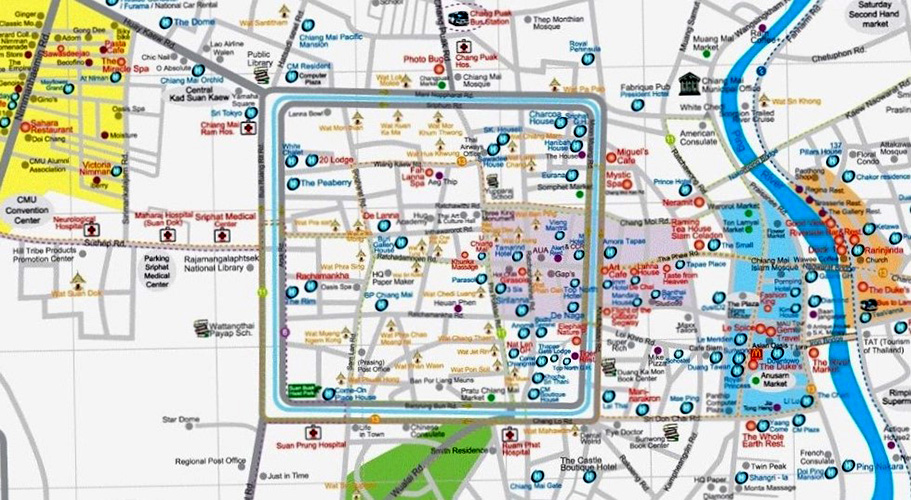
The old town surrounded by ancient walls is home to many of Chiang Mai’s precious temples or wats. This is the best place to begin your exploration- easy on foot or on bicycle. So set off on the back sois, wander through the wats, visit the museums and shops, enjoy the many great coffee places and whenever tired, get a foot massage or traditional Thai massage.
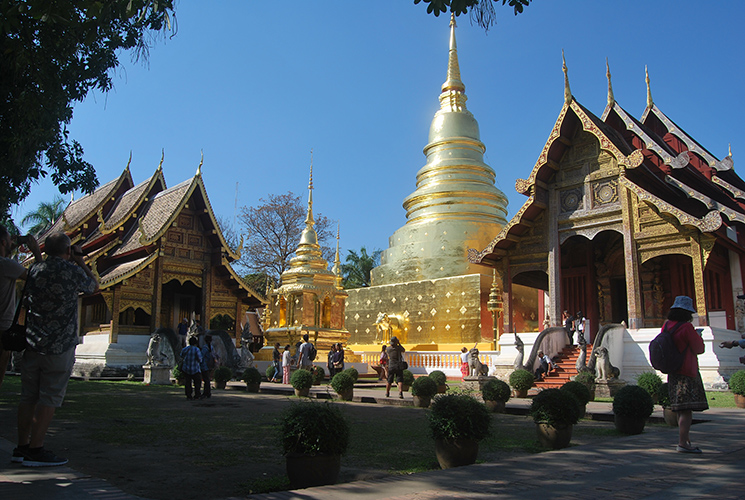
Wat Phra Singh dates back to 14th century and houses Chiang Mai’s most revered Buddha image, the Phra Singh in the precious little viharn in the back of the main ordination hall as you enter the complex. Beautiful mural paintings depict traditional Lanna life.
According to a legend, the Phra Singh Buddha is based on the Lion of Shakya image which was once housed at the Mahabodhi Temple in Bodhgaya. It is thought the Phra Singh travelled to Chiang Mai via Sri Lanka, Nakhon Sri Tammarat and Ayuthaya. Each Songkran– the Thai New Year in mid April, the Phra Singh is brought out in procession. This is a time when locals come out to cleanse sacred Buddha images, pay respects to elders, and to also receive blessings of water. The more contemporary tradition of Songkran these days is a 5-day water throwing party which begins around the 15th of April.
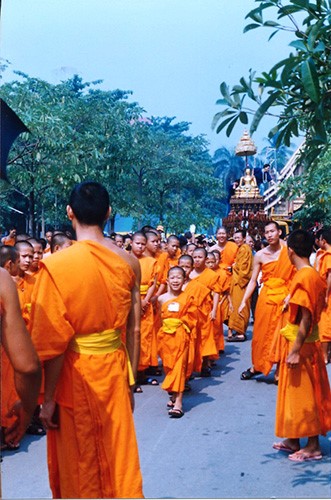
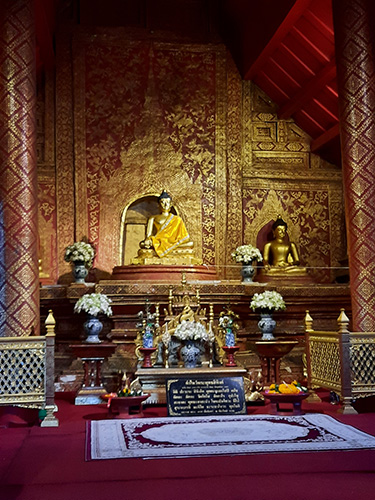
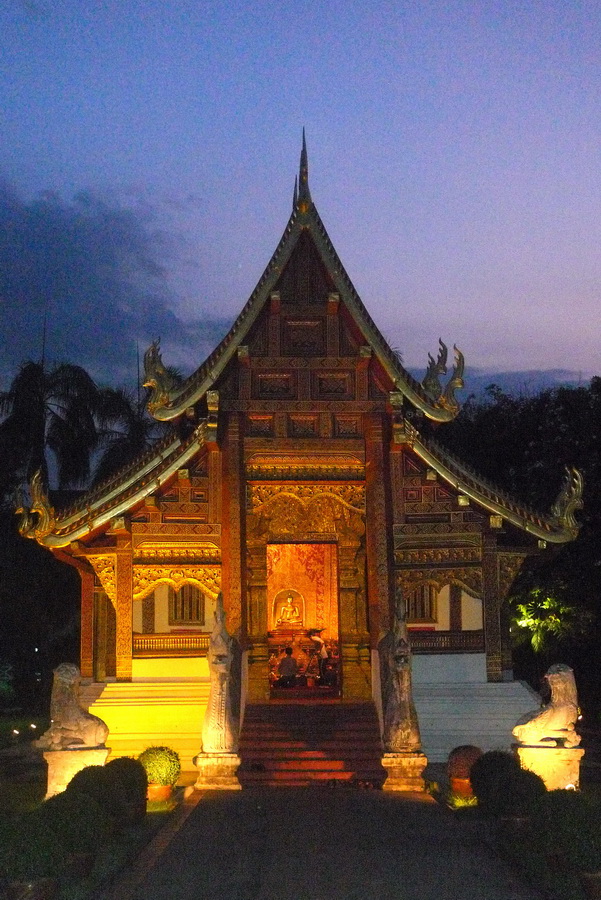
The old town of Chiang Mai is filled with wats built by a succession of Lanna kings who left their own mark on the city. These temples built out of devotion by local artisans remain an important focus on community life in Chiang Mai.
Wat Chedi Luang -Temple of the Great Stupa
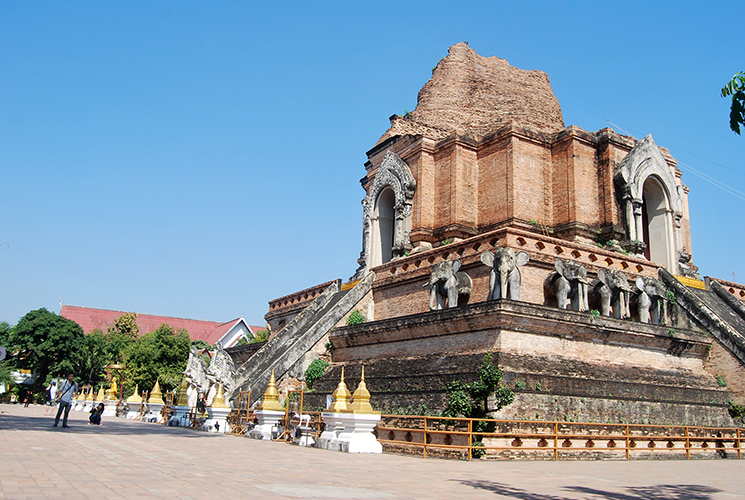
Wat Chedi Luang is the Heart Center of Chiang Mai.
Partially destroyed during an earthquake in 16th century, the great chedi is set back behind the Main Vihara where there is also a Buddhist University. It is wonderful to walk and relax around the Chedi. There is also a Monk Chat corner where you can have conversation with student monks.
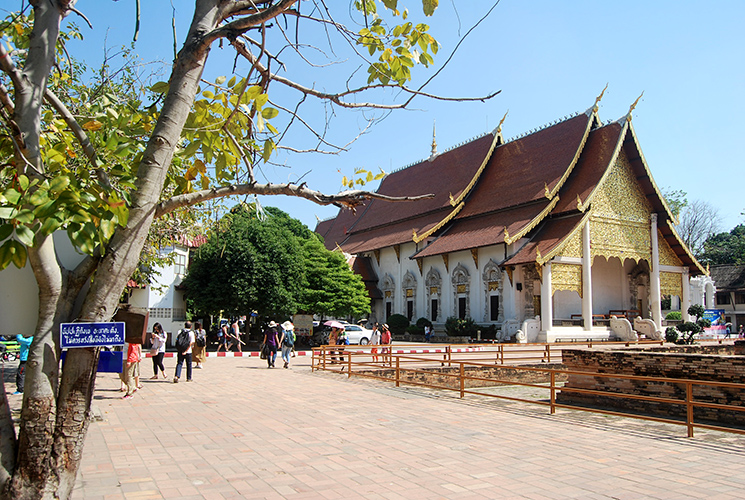
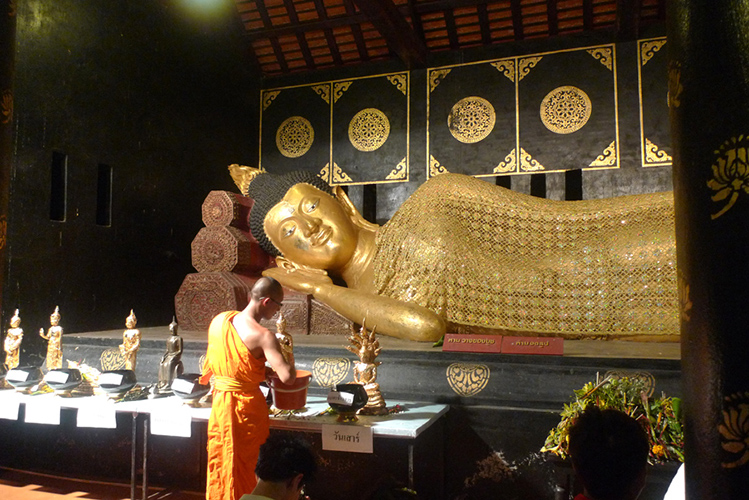
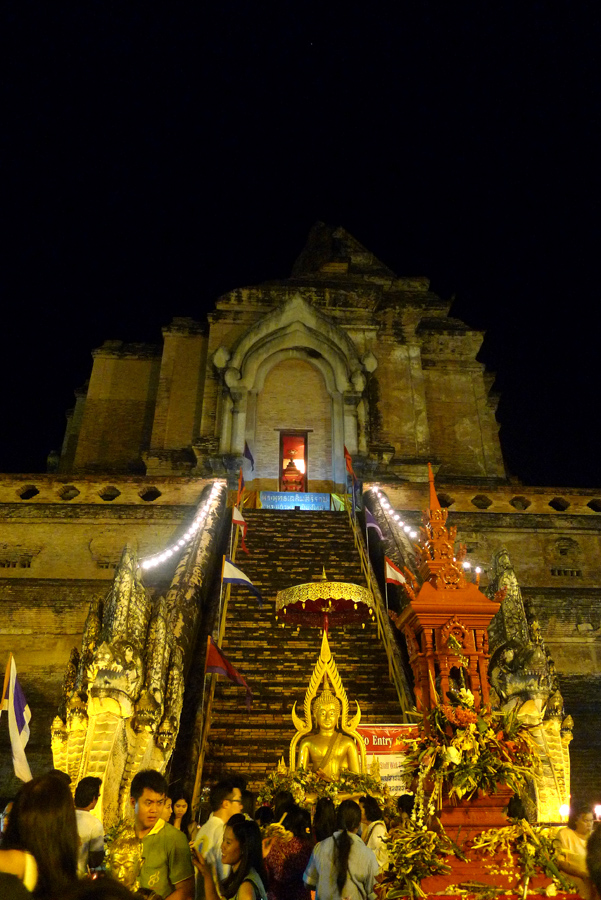
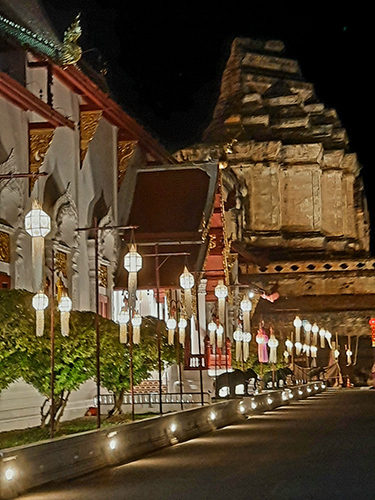
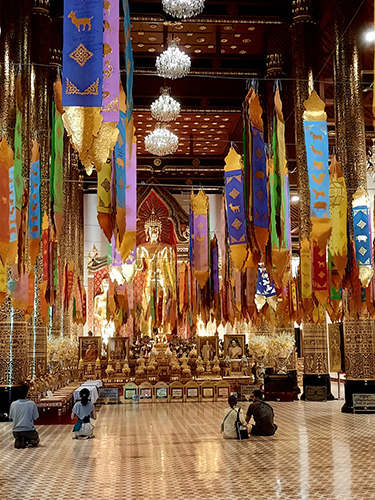
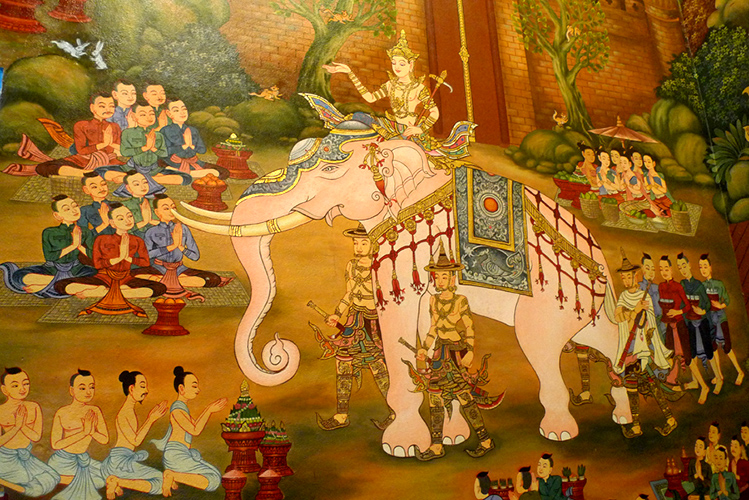
The Emerald Buddha was housed in the eastern niche of the chedi from 1468-1553. The Emerald Buddha was quite the travelling Buddha- first discovered in Chiang Rai in 1434 when lightning struck a chedi, revealing the green jade image, orginally hidden to protect it from invaders. This sacred Buddha image began the journey to Chiang Mai but the elephant carrying it, went on to Lampang first. While in Chiang Mai, the Lao King Setthatirat married a Chiang Mai princess and brought the Emerald Buddha to Luang Prabang in Laos for about 12 years. Luang Prabang is home to the Phrabang guardian Buddha image and when King Setthatirat moved the Lao capital to Vientiane, the Emerald Buddha was brought there. In 1779, the Siamese sacked Vientiane and brought the Emerald Buddha to Bangkok where the sacred image continues to reside at the Grand Palace.
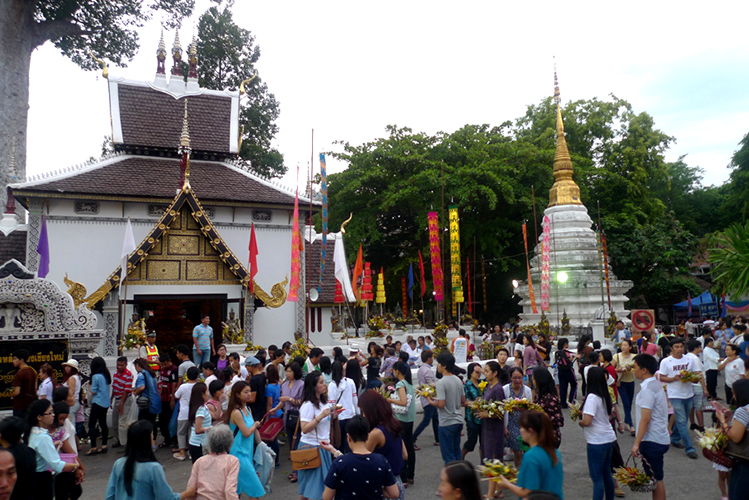
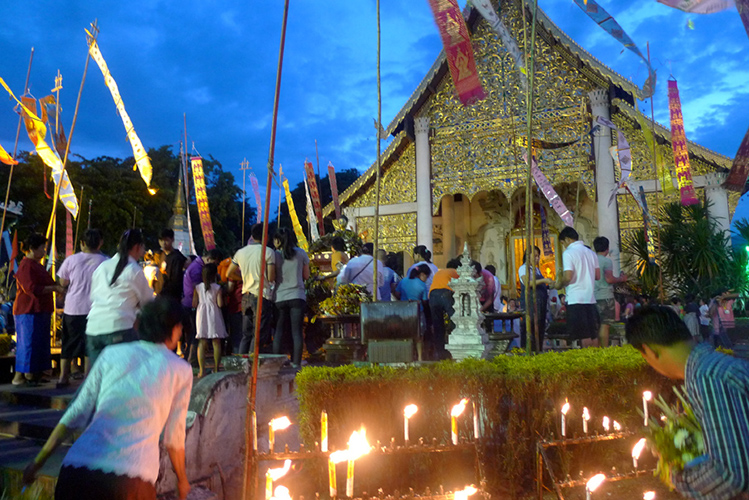
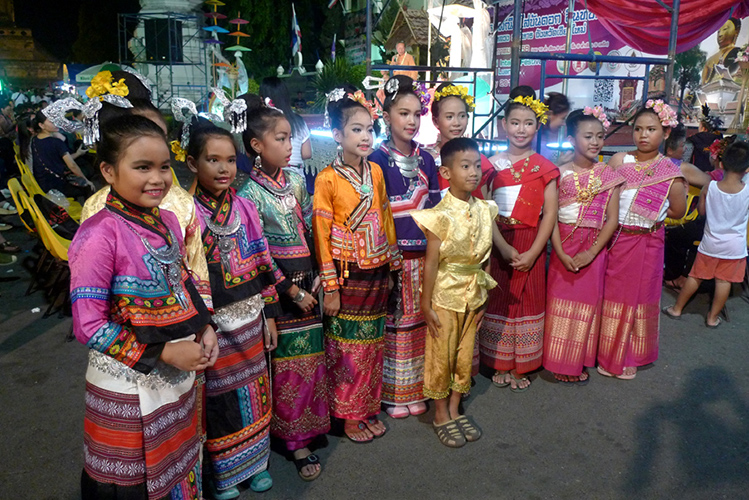
Chiang Mai’s City Pillar is located in the grounds of Wat Chedi Luang and each year, usually sometime in May, a celebration is held to honor the foundation of the city.
Among other important wats to explore within the old town:
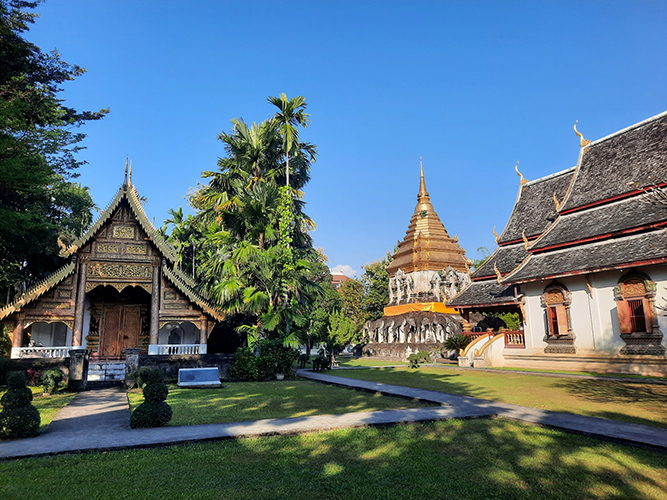
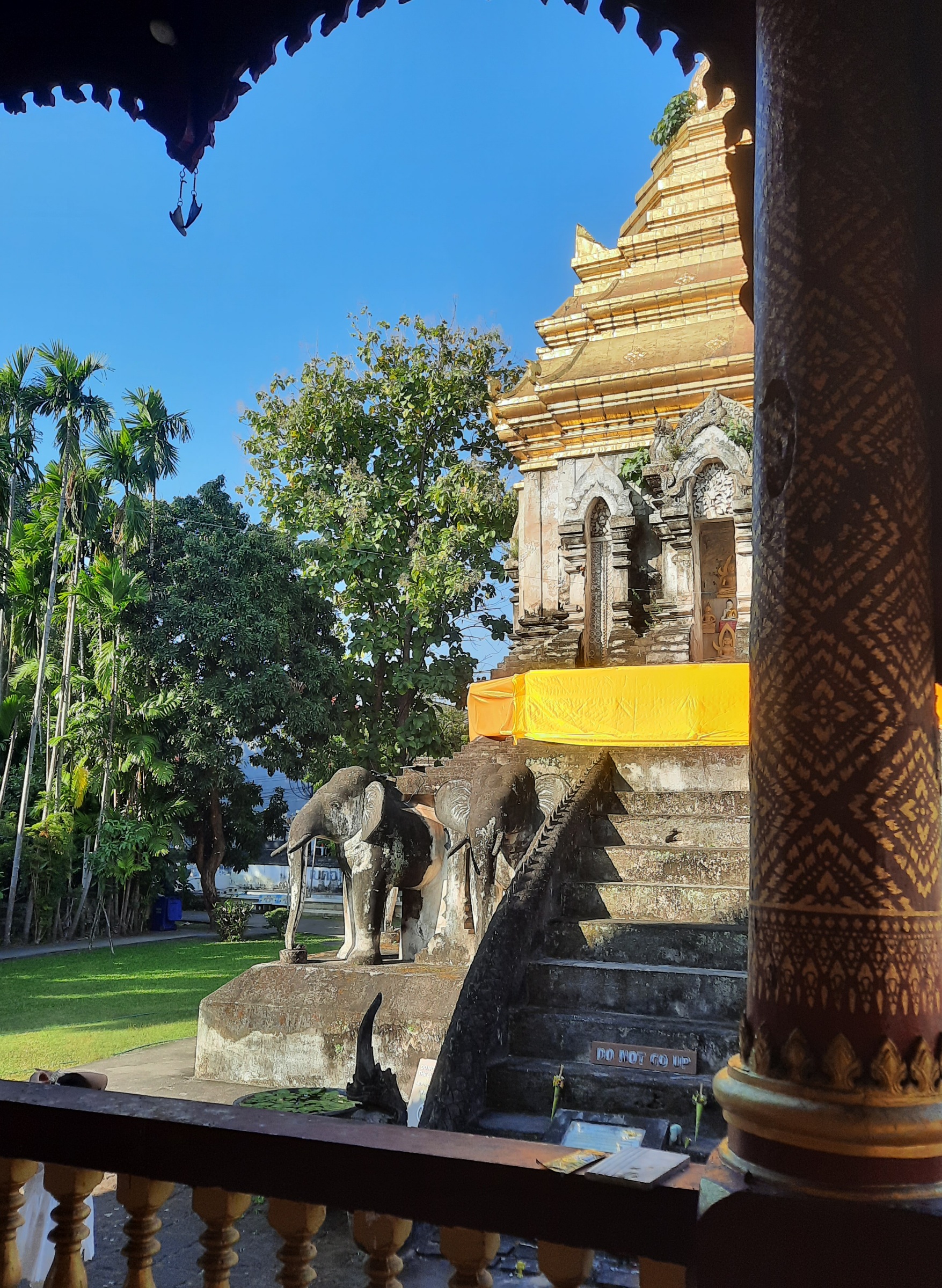
Wat Chiang Man – the first royal temple built by King Mengrai in 1296. The people of Chiang Mai have held a deep faith in unseen powers, worshipping ancestors and guardian spirits of land and nature. Brahmanism blended rituals and ceremonies for auspicious occasions- including the worship of Hindu deities, seeking protection, peace and prosperity. Garudas, nagas and of course, elephants, adorn the temples. The stupa at Wat Chiang Man is surrounded by 15 guardian elephants.
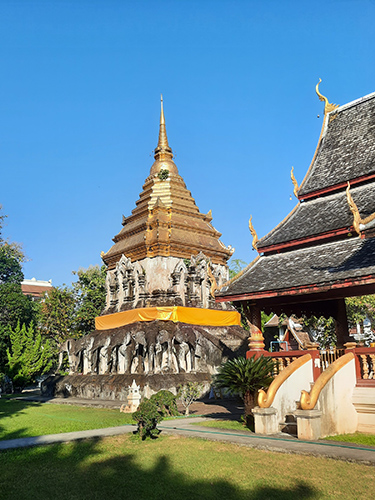
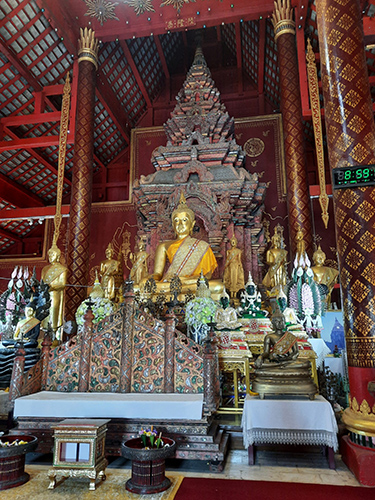
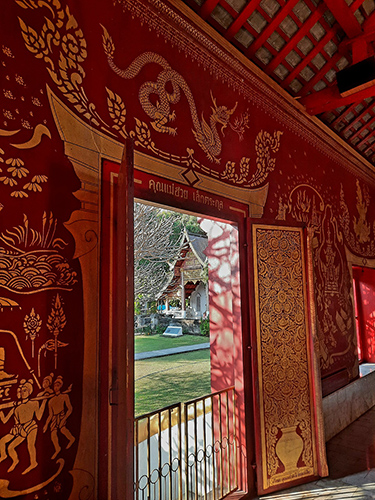
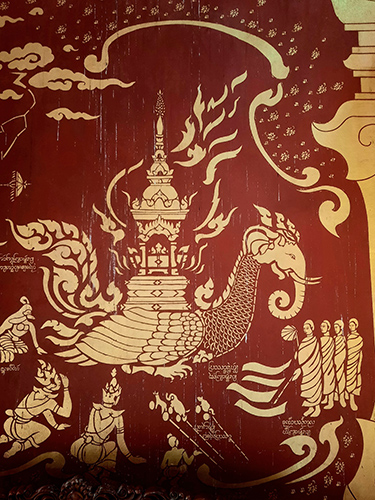
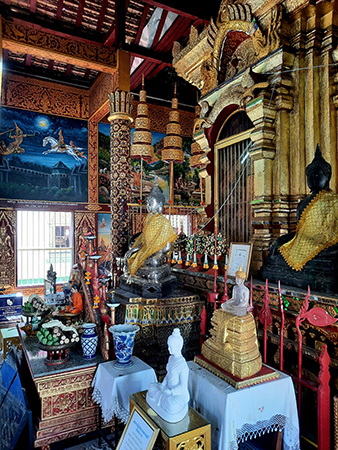
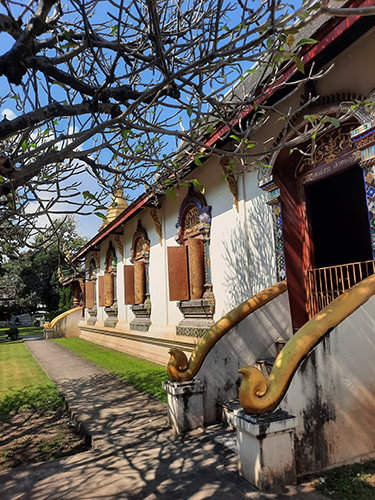
Enshrined also at Wat Chiang Man are two precious images- a Crystal Buddha which was acquired from Lamphun- formerly Haripunchai kingdom and the Phra Sila-Marble Buddha thought to have come from Sri Lanka and which has the power to call for rain.

The Chiang Mai City Arts and Cultural Centre at the Three Kings Monument is a great introduction to Lanna and Chiang Mai history. The statues of the three kings depict King Mengrai, King Ramkhamhaeng of Sukhothai and King Ngam Muang of Phayao who joined together to unify Lanna.
Opposite is the Folk Life Museum very worthwhile to visit which has a very good exhibit of textiles.
Sunday Walking Street
It’s very quiet at night within the moat, but on Sundays the main Rachadamnoern Road within the moat from Tha Pae Gate to Wat Phra Singh, becomes a Walking Street craft market attracting lots of locals and visitors. You will also find plenty of food stalls, foot massage places to soothe the feet, and often cultural events are held at the Three Kings Monument.
Saturday Walking Street– outside of the Moat from South Chiang Mai Gate:
Chiang Mai Gate is where you find a wonderful local market with lots more foodstalls that open in the evening. This neighborhood is great to explore with lots of little guesthouses and cafes and shops.
Wualai Road just outside Chiang Mai Gate, is where the Saturday Walking Street happens on Saturday evening. This area is also home to traditional Tai Yai silversmiths.
Be sure to see the beautiful Silver Temple at Wat Sri Suphan.
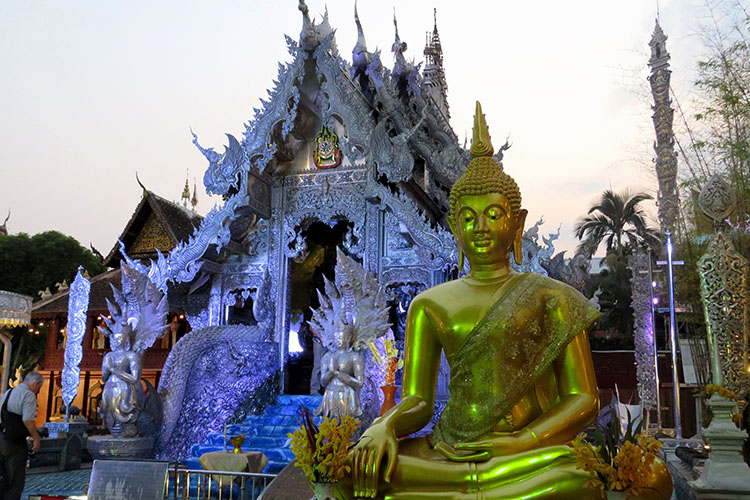
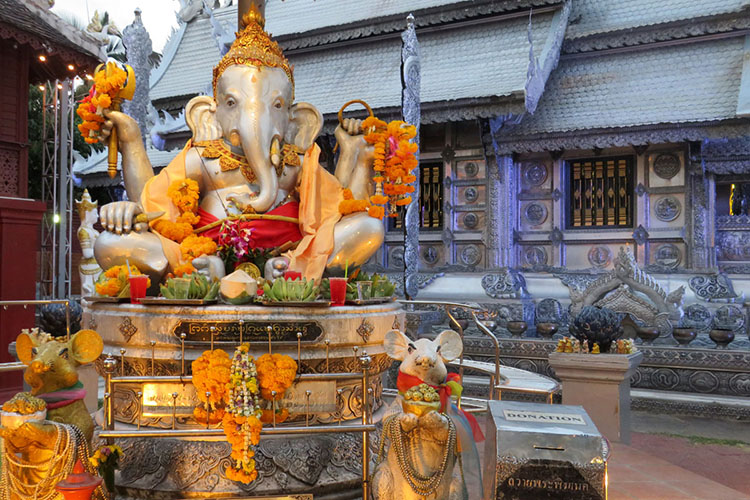
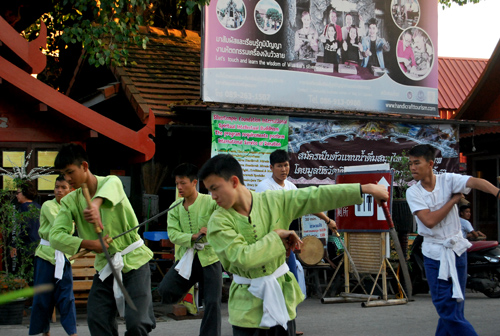
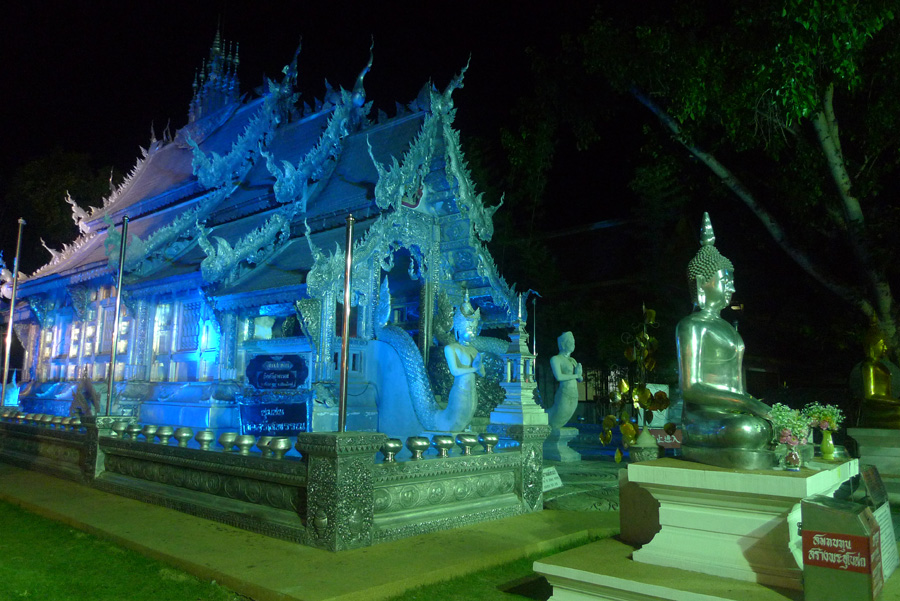
Traditional ethnic Shan sword dancers at Wat Sri Suphan.
To the East of the Moat– and Tha Pae Gate
This is where you find the Night Bazaar and the Day Market (Talaad Wororot, or Kad Luang) along the Ping River. The Flower Market along the river at the Day Market remains open all evening. Crossing over the Ping River by bridge brings you to an area of upscale galleries in former Chinese shop houses and the beautiful temple of Wat Ket Karam, also known as Wat Gate– dedicated to those born in the Year of the Dog.
Click for:
Arts and Crafts, Galleries, Textiles, Coffee, Tea and Cooking Classes
To the West of the Moat– out of Suan Dok Gate:
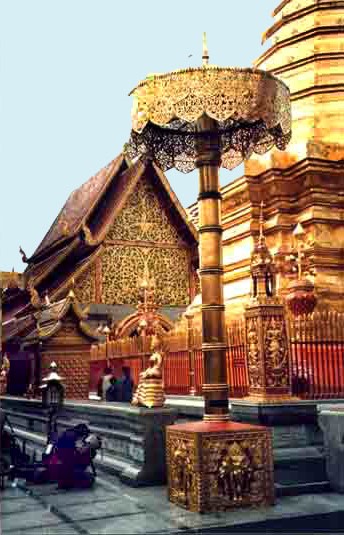
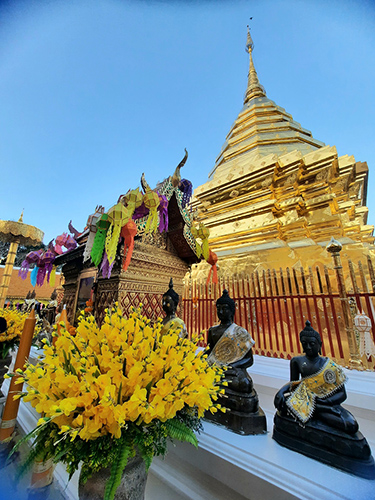
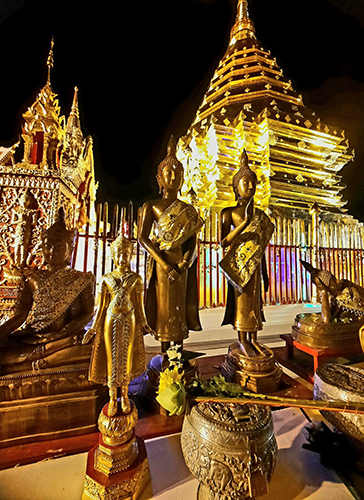
Doi Suthep is Chiang Mai’s sacred mountain with its beautiful temple, Wat Phrathat Doi Suthep which offers a great view of the city. It is said if you have not been to Doi Suthep, you have not been to Chiang Mai, so of course this is a popular place to visit.
Dating back to 14th century, a legend tells of a white elephant carrying a sacred relic found its final resting spot where the temple was the built. The actual road leading up the mountain was built in 1935 through the efforts and supervision of Khru Ba Srivichai, Chiang Mai’s most revered monk. Driving to Doi Suthep you will also pass by Chiang Mai University and the Chiang Mai Zoo. At the foot of the mountain, a shrine is dedicated to the Khru Ba where locals stop to pay respects.
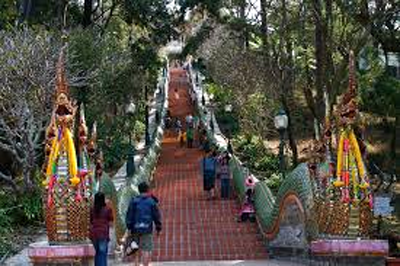
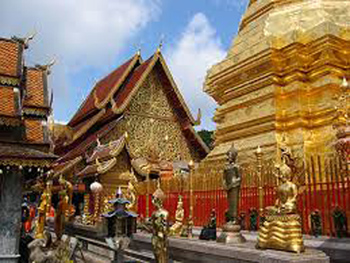
A naga staircase with 309 gentle steps leads up to the temple from the car park and a market place filled with shops and food stalls. An elevator service is also available.
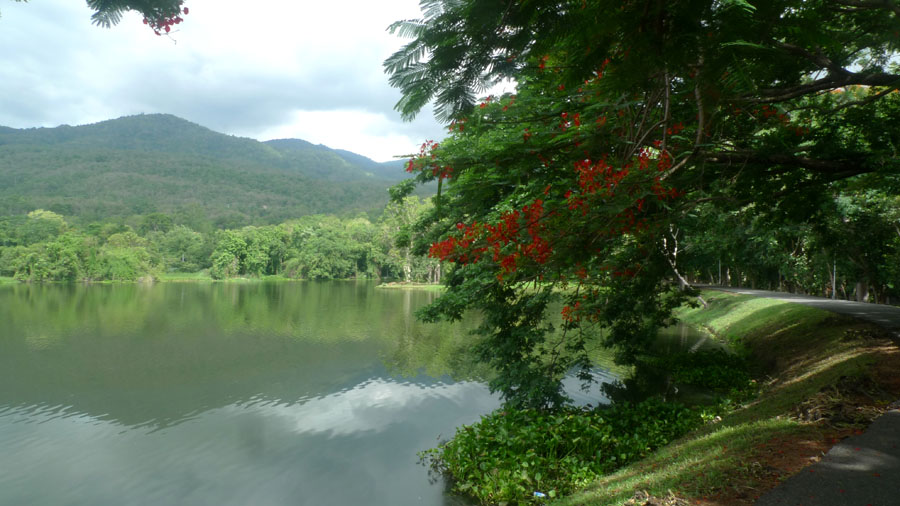
Chiang Mai University is a beautiful campus to explore.
At the back of the campus is the Ang Kaew Reservoir overlooking Doi Suthep mountain, where you do not feel like you are in a city at all. Locals like to walk, bike or relax with a coffee enjoying the green view.
Nimmanhaemin Road ( referred to as Nimman ) not far from the CMU campus- is the trendy area lined with boutiques, eateries, coffee shops and nightlife along the side sois. Good to start exploring around Nimman Soi 1.
Wat Phalad: a peaceful little temple and oasis half way up Doi Suthep Mountain.
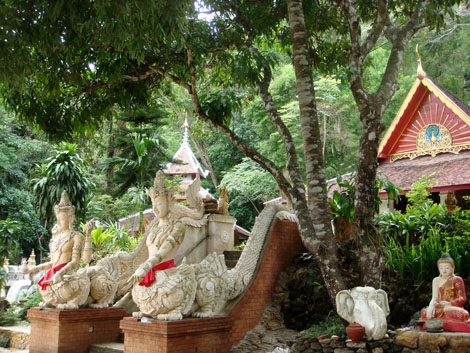
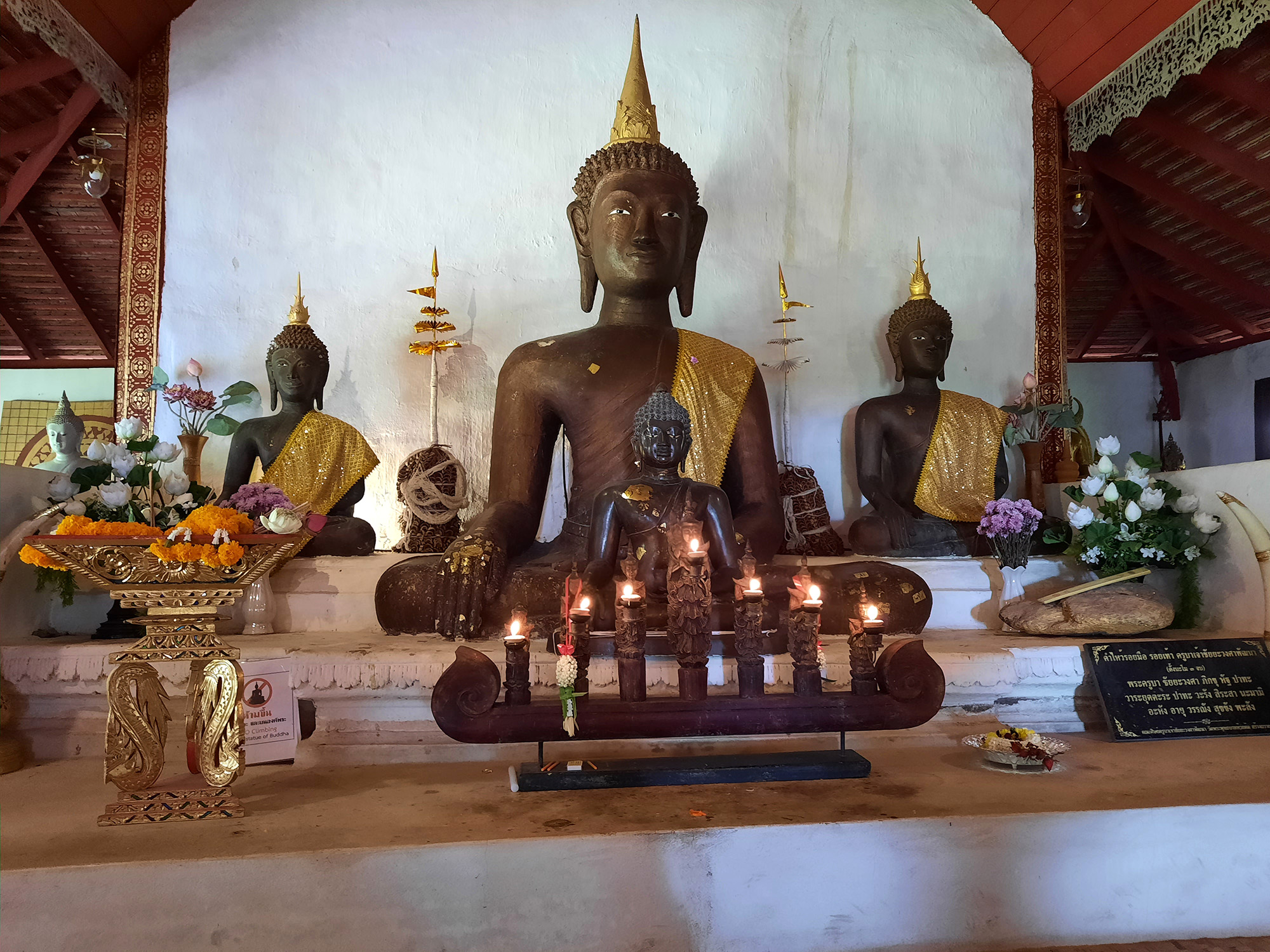
Wat Phalad was one of three resting stops for the white elephant that once brought a sacred relic up the mountain and to where Doi Suthep Temple was later built.
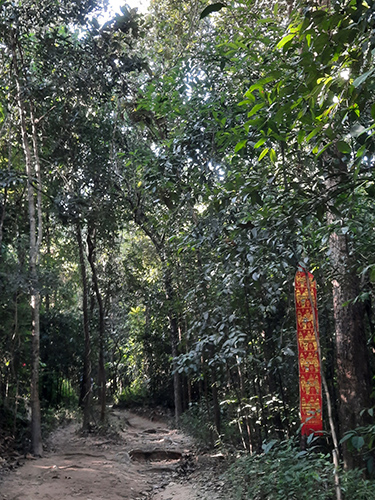
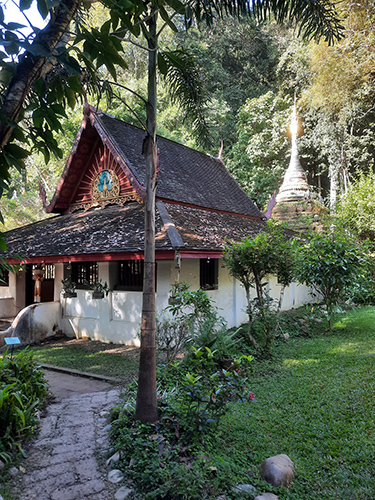
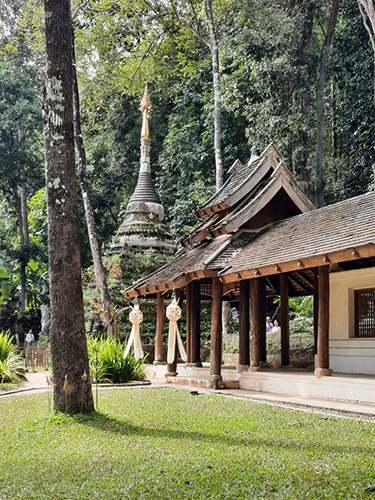
There is a gentle nature trail to Wat Phalad leading up from behind Chiang Mai University. Go to the end of Suthep Road and see the sign for the Nature Trail. Turn Right and follow the road uphill behind Wat Fay Hin. The road to the start of the trail is the steepest part of the journey, but transport is possible to the start of the trail and an entrance fee of 100 Baht is charged. Then set off on the walk about 40 min. through the forest. For serious walkers, from Wat Phalad, it is possible to continue on foot all the way up to Doi Suthep Temple.
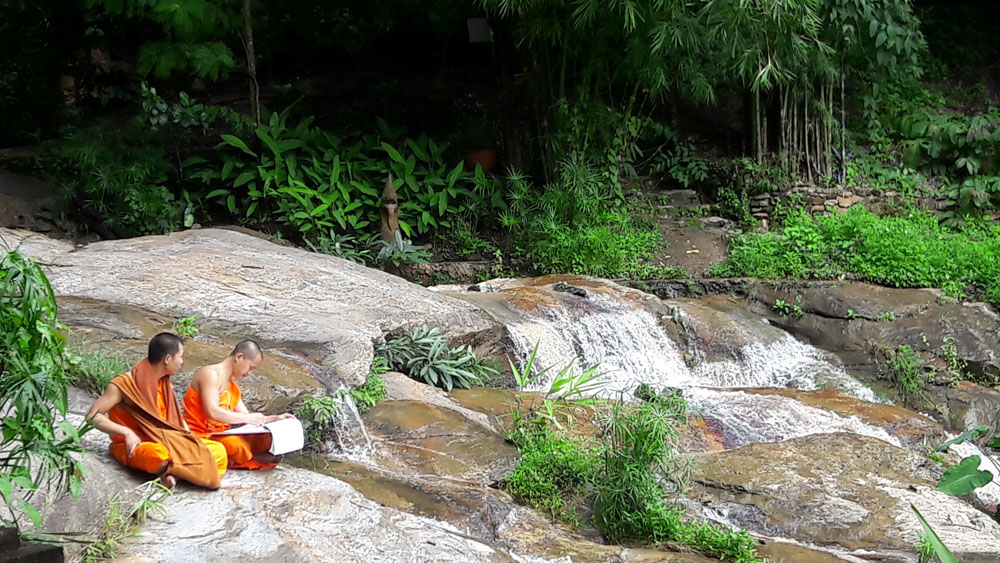
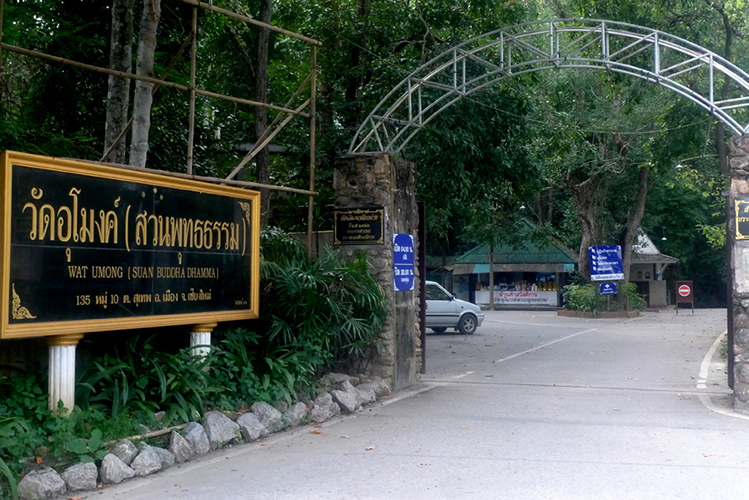
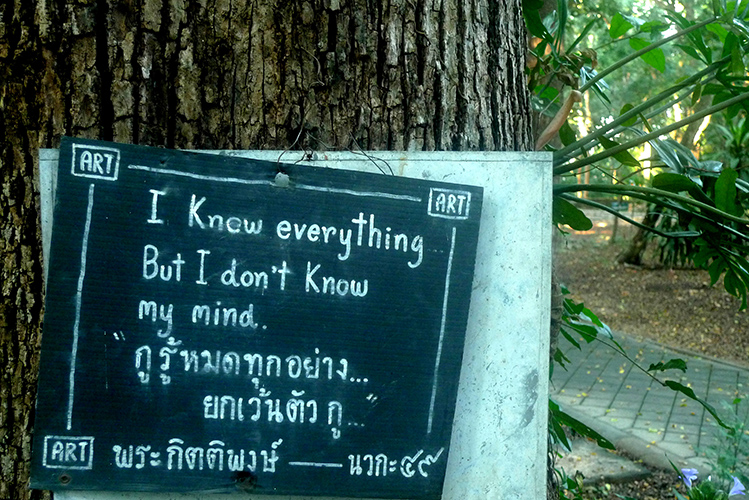
Wat Umong is a peaceful forest temple dating back to 14th century. It is said a monk named Thera Chan loved the solitude of the forest and kept running away from the city to what was once a jungle on the foot of Doi Suthep. King Mengrai first built this temple and later, tunnels (U-Mong) beneath the chedi were created leading to meditation cells where Thera Chan and monks from Sri Lanka once practiced. Within the tunnels you can find small traces of old paintings. And wandering through the grounds you will find words of wisdom on the trees. Down by the pond, you can help feed the fish.
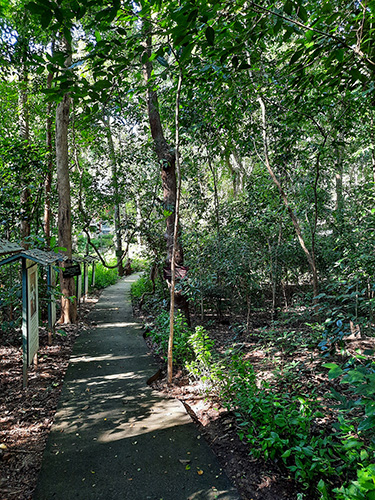
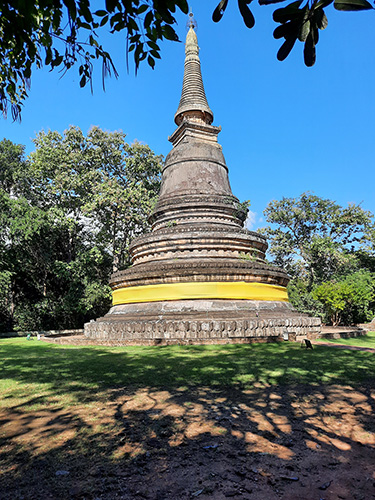
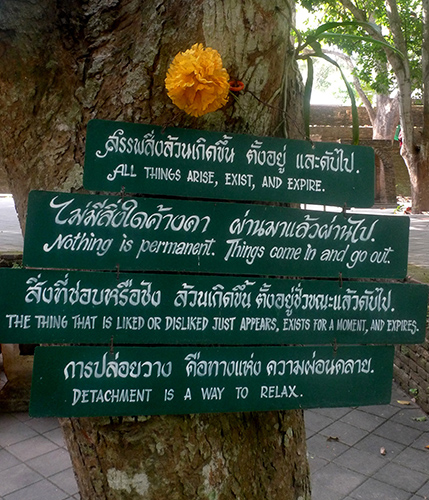
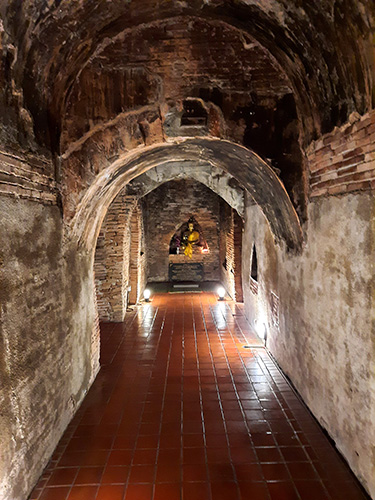
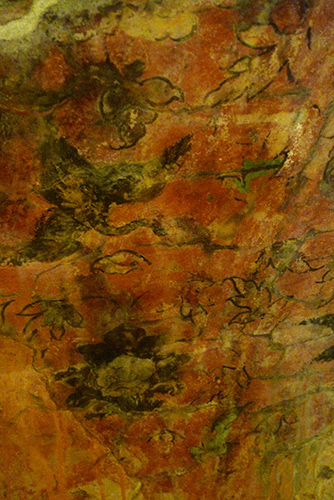
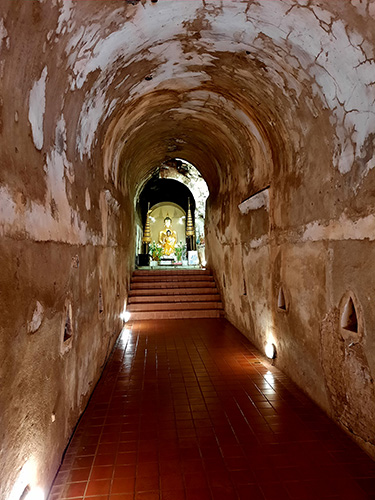
Wat Umong was deserted in 1487 and re-established as a monastery again in 1948 with the assistance of Buddhadhasa Bhikkhu, founder of Suan Mokkh forest meditation tradition in southern Thailand.
Getting to Wat Umong: go towards the mountain on Suthep Road along Chiang Mai University Campus, turn left onto Soi Wat Umong. Continue about 1km up to this peaceful forest sanctuary.
Wat Umong Noi (Little Wat Umong) is where Thera Chan stayed when in town:
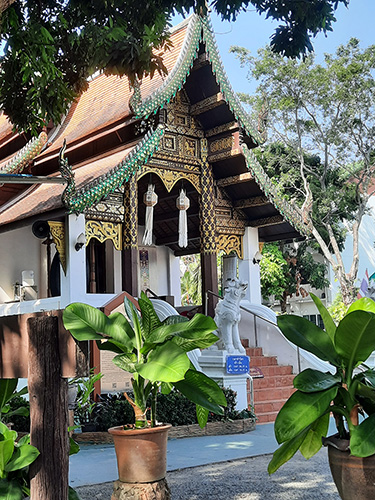
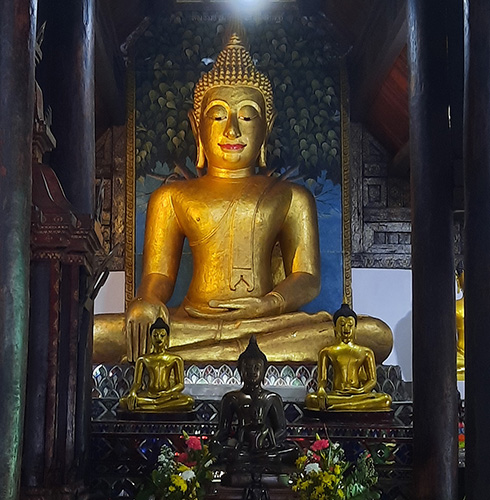
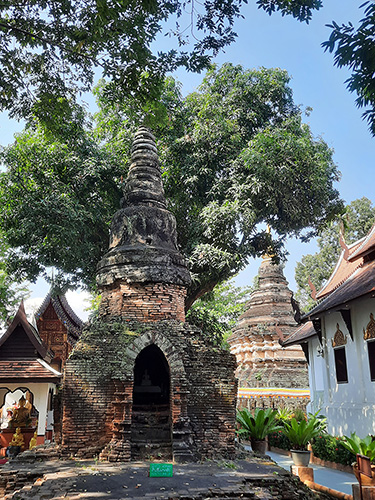
Wat Umong Noi is located within the moat behind the Tamarind Village Hotel.
Check out Tamarind Village to see if any interesting exhibits are on there.
Wat Suan Dok and the Mahachulalongkorn Buddhist University:
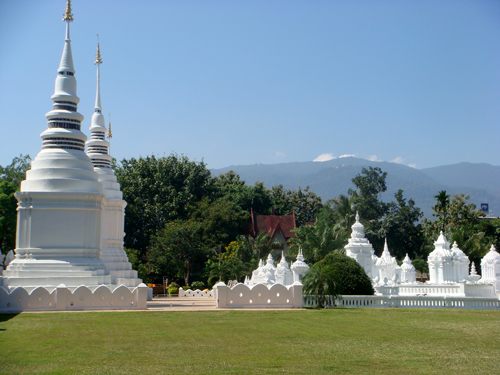
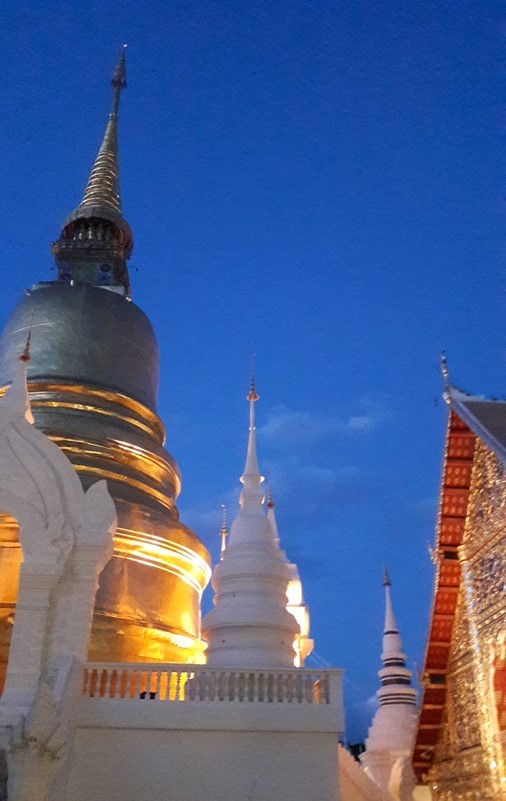
Wat Suan Dok means Temple of Flower Gardens. Established in 1371 by King Ku Na who invited the Ven. Sumana Thera from Sukhothai to bring Buddhist teachings from Sri Lanka to Chiang Mai. Sumana Thera brought a holy relic with him which had miraculously split into two pieces. One is kept at Wat Suan Dok and the other was placed on the white elephant which made its way up Suthep mountain and collapsed at the site where Wat Phratat Doi Suthep was then built. The graceful white stupas contain ashes of former Lanna royal family members.
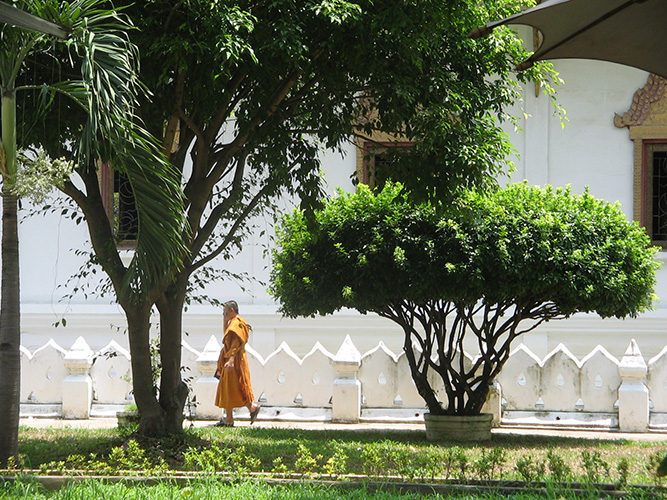
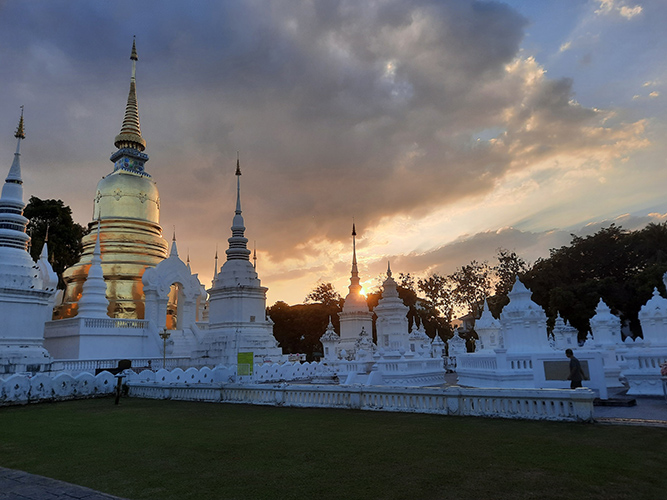
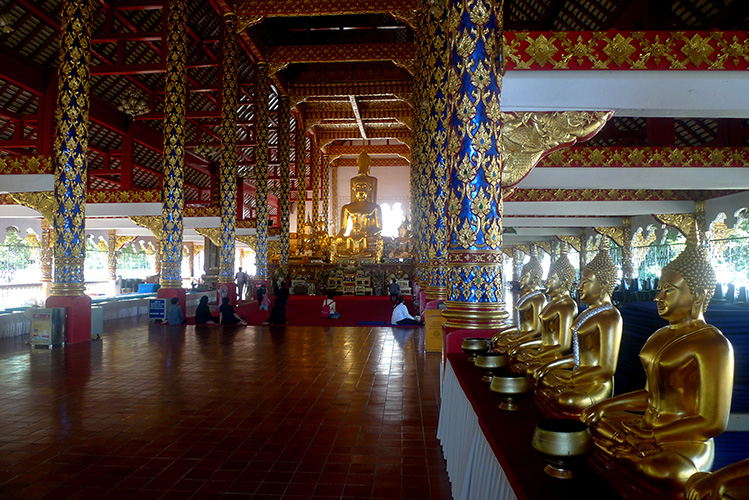
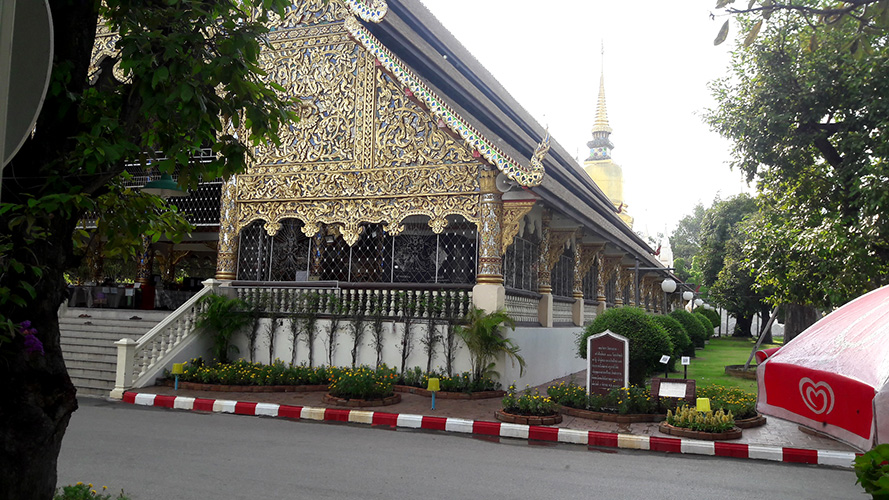
Wat Suan Dok is located outside the moat going west from Suan Dok Gate, short drive on Suthep Road towards the mountain.
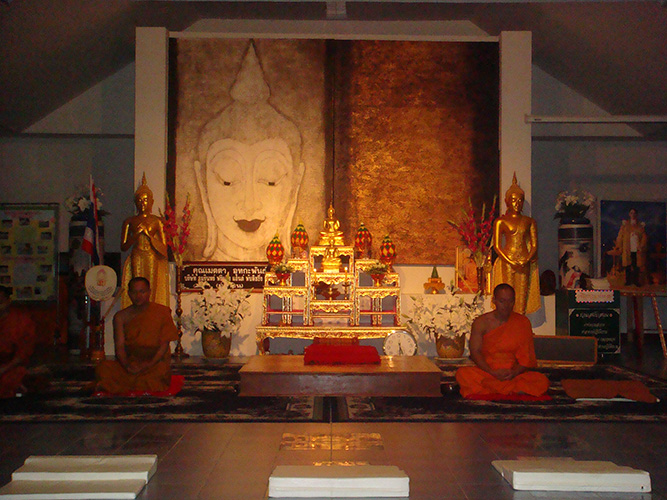
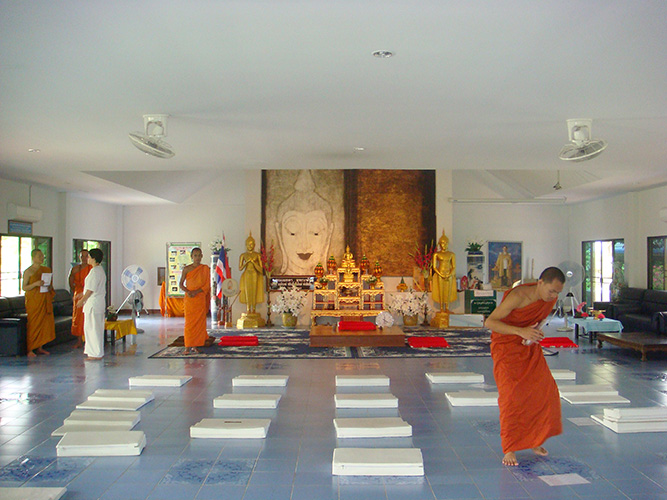
Introductory Meditation retreats are held each week and check to see if their Monk Chat is on- a nice opportunity to have conversation with students eager to practice their English while you can learn about Buddhism and about life as a monastic.
Contact: monkchat2023@gmail.com
or Facebook Page: MonkChat MCU.ChiangMai
For more on Meditation Retreats in Thailand and Asia,
see: Retreats Page.
Click on Links below for:
– Arts and Crafts, Galleries, Textiles, Coffee, Tea and Cooking Classes
– Elephants
– Accomodations in and around Chiang Mai and When to Visit
– Mae Hong Son and a Piece of Peace in Pai
– Chiang Rai, Golden Triangle and crossing into Laos down the Mekong