connecting
people and cultures – inspiring journeys
sharing meaningful discoveries in Asia
 About Alam Asia Net
Asia Destinations News and Links
Journeys and Stories
Support Campaigns and Projects
Alam Indah Bali
Reading, Films, Music
Inspirations
Retreats
Some Favorite Images
About Alam Asia Net
Asia Destinations News and Links
Journeys and Stories
Support Campaigns and Projects
Alam Indah Bali
Reading, Films, Music
Inspirations
Retreats
Some Favorite Images

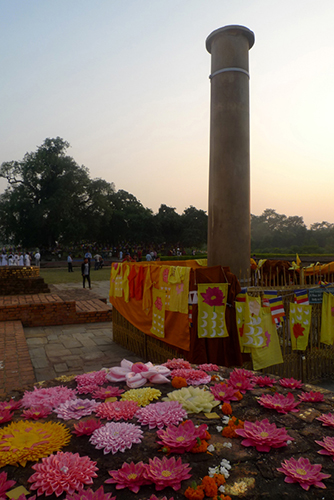
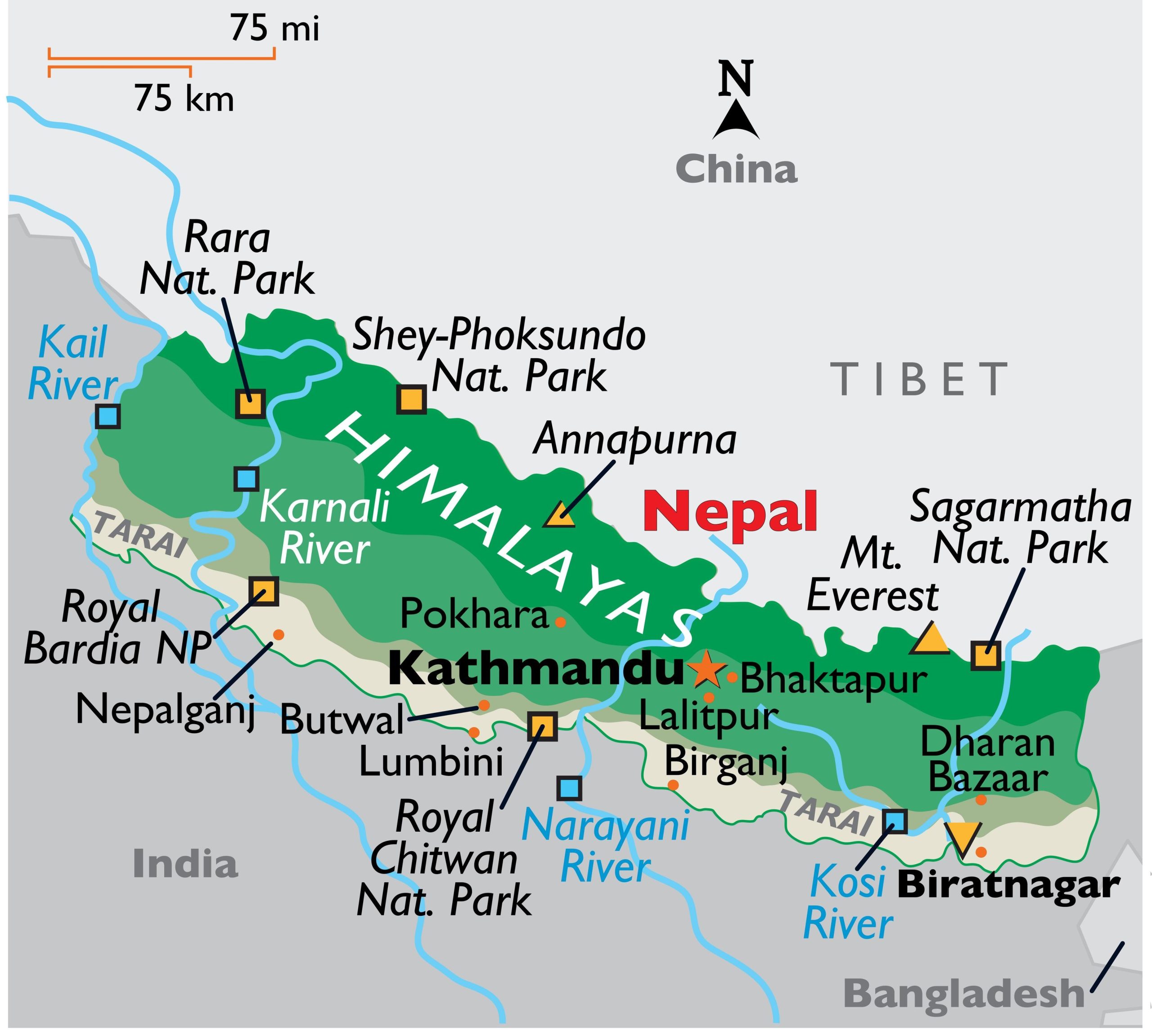
Nepal is a remarkable example of unity in diversity which has experienced transition from a monarchy to a now federal democratic republic. The resilience and spirit of the people is astounding and over the years, so many visitors have cherished Nepal in their hearts.
Kathmandu Valley, Trekking Guides and Chitwan National Park…..See below:
for Lumbini and Buddha’s Path: CLICK HERE
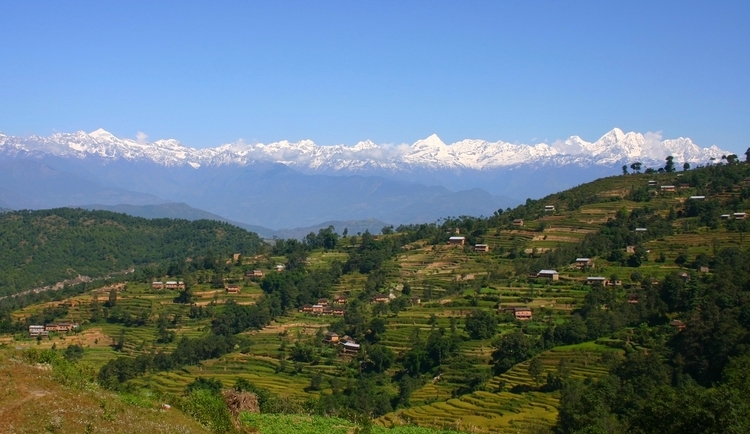
view from Namo Buddha- 40 km east of Kathmandu
With magnificent Himalayan peaks, Nepal has become known as a paradise for trekkers. Kathmandu is also known for congested chaotic traffic! But once within the old Durbar Squares and heritage sites, you find yourself in medieval living museums in no-traffic zones. Discover the ancient sites filled with art and stories in stone.
Kathmandu Valley and Heritage Sites:
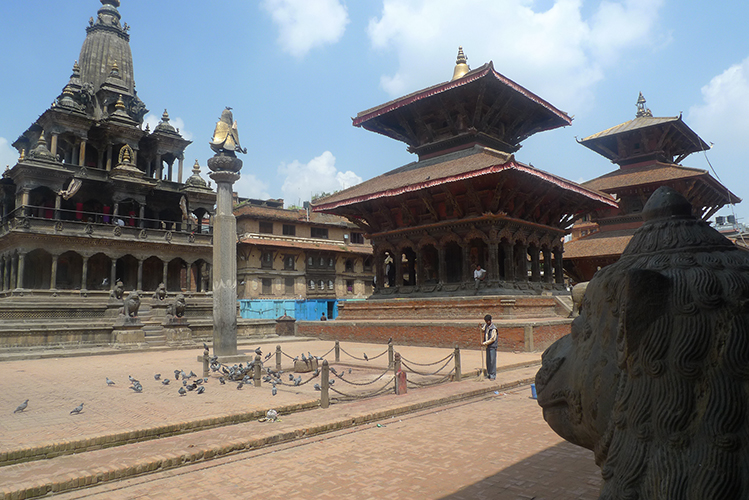
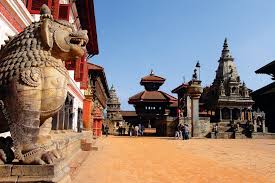
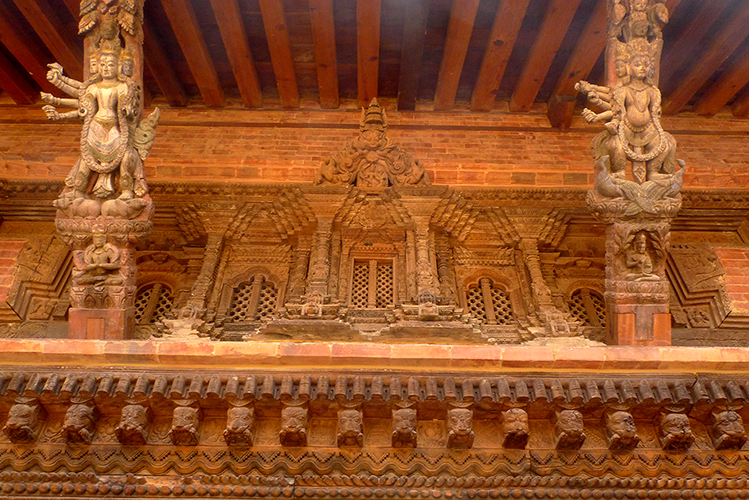
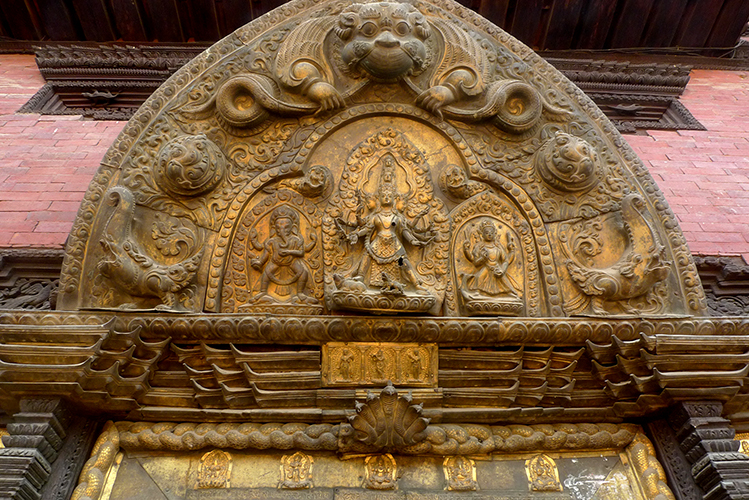
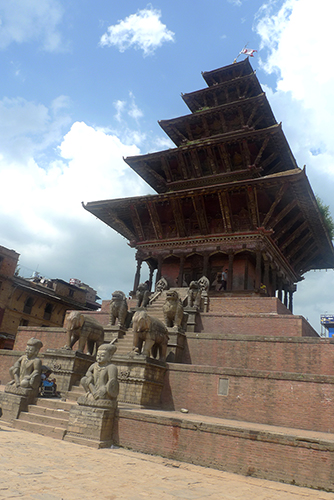
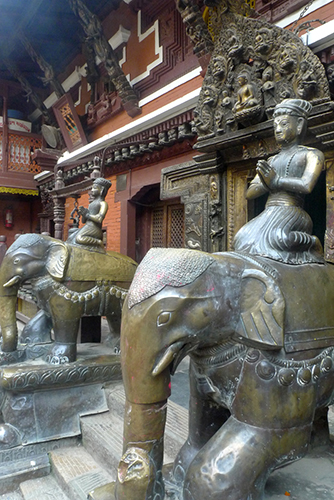
Long ago, the Kathmandu Valley was actually a huge lake, and in the middle of the lake, a glowing lotus appeared, shining with divine light. The light attracted Manjushri, the Bodhisattva of transcendent wisdom. He is often depicted as a youthful prince, holding a flaming sword of wisdom in his right hand and a sacred text (often the Prajñāpāramitā Sutra) on a lotus in his left. It is said that Manjushri used his sword to cut through the mountains to drain the lake. When the water flowed away, present-day Kathmandu Valley was born, and the sacred lotus settled on a hill which became Swayambhunath Stupa.
Kathmandu Valley features seven distinct UNESCO World Heritage Monument Zones representing three ancient royal cities- Kathmandu ( Kantipur- City of Light) , Patan ( Lalitpur) and Bhaktapur.
These areas showcase medieval Malla-era architecture, including palaces, temples, and stupas built between the 12th and 18th centuries by Newari artisans. Iconic multi-tiered pagoda-style roofs, exquisite wood carvings, and red brickwork are found in the Durbar Squares.
- Kathmandu Durbar Square: Located in the heart of the capital, it features the Hanuman Dhoka Palace, numerous temples, and the Kumari Ghar (house of the living goddess).
- Patan Durbar Square: Known as the city of fine arts, this area is famous for its Newari architecture, the Patan Museum, and the Krishna Mandir.
- Bhaktapur Durbar Square: Known as the “City of Devotees,” it houses the 55-window palace, Nyatapola Temple, and ancient courtyards.
Religious World Heritage Sites: - Pashupatinath Temple: a sacred Hindu temple complex dedicated to Lord Shiva, known for daily Abhishek (bathing the Linga), sacred Aarti rituals, and open-air cremations along the banks of
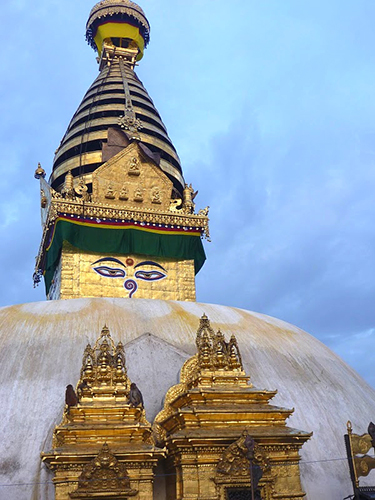
the Bagmati River in Kathmandu. Pashupatinath is also a hub for worship and major festivals like Mahashivaratri, attracting thousands for spiritual purification. - Swayambhunath Stupa (and Monkey Temple): the ancient Buddhist stupa complex on a hilltop, originally home to the sacred lotus from the former lake of the valley. You can either walk the 360 steps or drive to the top for a panoramic views of the valley.
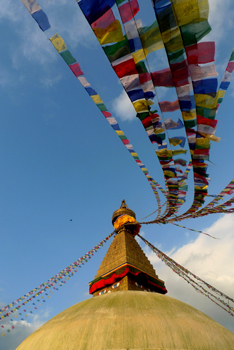
- Boudhanath Stupa: one of the largest spherical stupas in Nepal and a focal point for Tibetan Buddhism in the valley– approx 20 min drive east of Kathmandu airport.
- Changu Narayan Temple: located on a hilltop in Bhaktapur, it is considered one of the oldest Hindu temples in the Kathmandu Valley, dating back to the early Lichhavi period 4th-8th century.
https://www.bhaktapur.com/discover/changu-narayan-temple/
Accomodations in Kathmandu:
Thamel: is the bustling commercial tourist hub with narrow streets packed with hotels and guesthouses, colorful shops, restaurants, cafes, bars and clubs. This travelers base offers anything you may need pre or post trekking.
A few recommended places away from the Thamel bustle:
Hotel Vajra:
Newari style accommodations not far from Durbar Square and close to Swayambunath Stupa
https://hotelvajra.com/
Dwarikas Hotel: 5-star luxury not far from the airport. If not staying here, very worthwhile to visit for tea or a meal and appreciate the Newari architecture.
https://www.dwarikas.com/home/
Patan:
just south of Kathmandu, the heritage town of Patan is a more relaxed base. Visit the Golden Temple and the fabulous Patan Museum which is home to precious art.
There is also a lovely café for lunch: www.patanmuseum.gov.np
or see: https://www.asianart.com/associations/patan-museum/ab.html
The Inn Patan:
restored home converted to a boutique inn located just off the pedestrian area:
www.theinnpatan.com – if website not working, find them on Booking com
Bhaktapur:
Hotel Heritage: a lovely base to explore the sites and heart of Bhaktapur.
https://www.hotelheritage.com.np/
A beautiful website introducing Bhaktapur:
https://www.bhaktapur.com/discover/changu-narayan-temple/
Boudhanath:
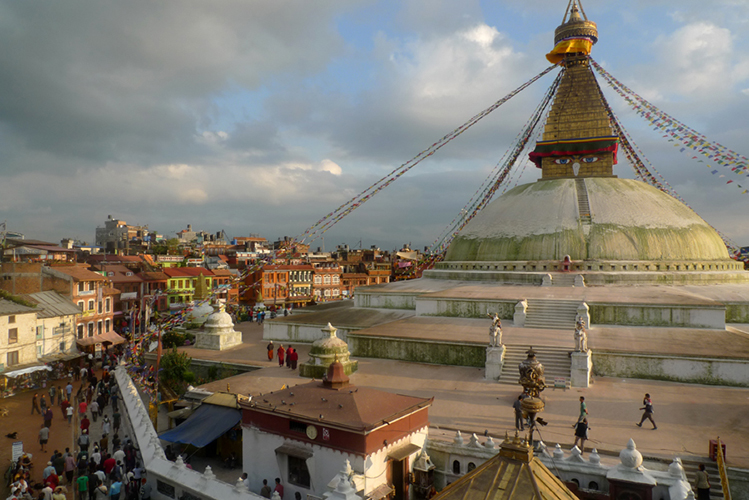
Known as “Boudha”, the Little Tibet of Nepal, and home to the largest Buddhist stupa in Nepal.
Boudha is my favorite home-base. Located approx 20 min. drive east of Kathmandu airport, time can become timeless once settled in, taking in the energy and view of the stupa from the many cafes while throngs of locals come to worship and socialize. The area around the stupa is filled with galleries and thangka painting schools with access to monasteries for dharma activities.
Accomodations in Boudha:
Rokpa Guesthouse:
a particular favorite, supporting the humanitarian work of: https://www.rokpa.org/en
Founded by Akong Tulku Rinpoche and Swiss actress Lea Wyler and her late father. The guesthouse is in converted home with comfortable rooms a run by local staff with the training of Swiss efficiency. Located in a pleasant quiet garden, a short walk from the bustle around the stupa.https://www.rokpaguesthouse.org/guesthouse-home
Bodhi Guesthouse:
simple rooms behind the Shechen Monastery complex in a lovely garden setting with a good restaurant.
https://www.bodhiguesthouse.com/
Shechen Monastery is under the lineage of Dilgo Khyentse Rinpoche:
https://en.wikipedia.org/wiki/Dilgo_Khyentse
Learn more about humanitarian work of Karuna Shechen founded by Matthieu Ricard:
https://karuna-shechen.org/
Dharma World around Boudha:
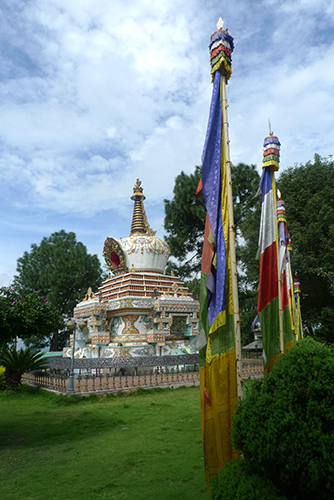
Kopan Monastery – a few kms up the hill from Boudha
This is the Mother Temple founded by Lama Yeshe and Lama Zopa Rinpoche along with the Foundation for the Preservation of Mahayana Tradition (FPMT).
Offering a series of courses and retreats including the yearly month long November Course: https://www.kopanmonastery.com/
More info on centers worldwide: https://www.fpmt.org
Unmistaken Child: a heartfelt film following the four-year search for the reincarnation of Lama Konchog, a world-renowned Tibetan master of Kopan Monastery, who passed away in 2001 at age 84. Tenzin Zopa, his shy and devoted disciple, is tasked to undertake the search of his master’s reincarnation. Stunning scenery in Nepal.
Trailer: https://www.youtube.com/watch?v=SiBe1h2Qleg
Order: https://www.amazon.com/Unmistaken-Child/dp/B079QBQKSC
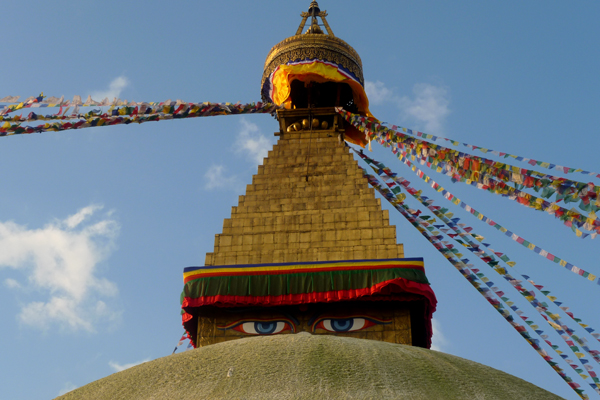
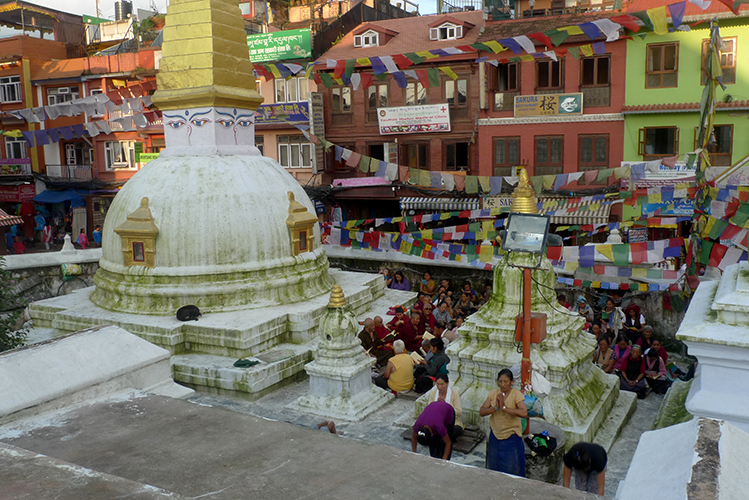
Boudhanath Stupa
Countryside in Kathmandu Valley:
Beyond Bhaktapur, venture east to the countryside where you can enjoy panoramic views of the Himalaya if skies are clear, enjoy sunrise and sunset vistas. If you are not able to do a long trek, this area is popular for walks and hikes, mountain biking and peaceful retreats.
Nagarkot – a scenic hill station (2195 meters) about 30 min east of Bhaktapur.
Here you can also visit the Buddha Peace Park.
Club Himalaya: https://www.clubhimalaya.com/
Another road a bit further east brings you to Dhulikel and on to Namo Buddha and Trangu Tashi Yangste Monastery: https://namobuddha.org/
Nearby the monastery are guesthouses and farmstays to enjoy the quiet rural atmosphere.
Cultural Walks, Guides and Treks:
3 Jewels Adventures
Amber Tamang and his family have been running 3 Jewels Adventures sharing their love for their country.
Amber and his team can assist with cultural walks and treks throughout Nepal: https://threejewelsadv.com/
Lawudo Gompa and Retreat:
Check out this special place in Solo Khumbu where Lama Zopa of Kopan grew up:
www.lawudo.com
www.facebook.com/Lawudo-Gompa-Project-477905655558541
Trek to Lawudo
Organized by Kopan Monastery:
https://lawudo-trek.org/
Chitwan National Park:
Full day bus ride or short 30 minute flight from Kathmandu to Bharatpur in the south of Nepal.
Temple Tiger Green Resort:
located on the edge of Chitwan National Park by the Narayani River.
Support Elephants and you may be fortunate to spot rhino or a leopard and if very lucky, see a tiger!
The staff and naturalists of the resort present talks on the fauna and flora of the park:
https://www.greenjungleresort.com/
Owned by Venture Travel- designing travel programs in Nepal for over 30 years.
https://venturetravel.com.np/
Travel Gently- Live Consciously- Namaste!
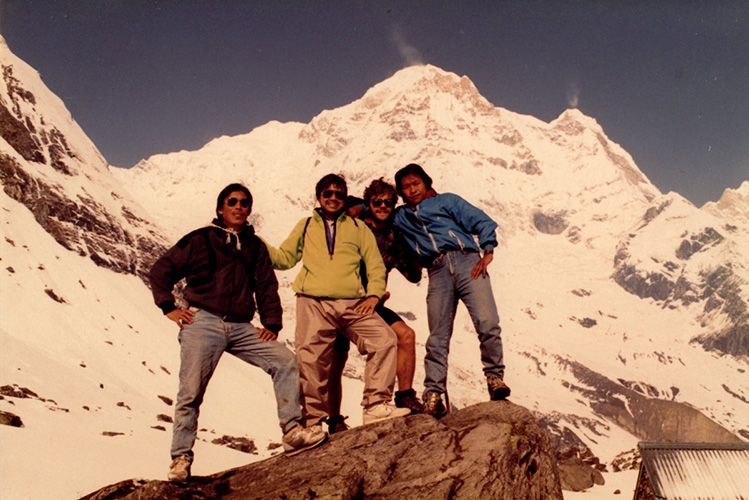
Memories of our trek to Annapurna Base Camp in 1993!
Back to Main Himalaya Page: https://alamasia.net/asia-destinations-news-and-links/himalaya/
for Lumbini and Buddha’s Path: CLICK HERE