connecting
people and cultures – inspiring journeys
sharing meaningful discoveries in Asia
 About Alam Asia Net
Asia Destinations News and Links
Journeys and Stories
Support Campaigns and Projects
Alam Indah Bali
Reading, Films, Music
Inspirations
Retreats
Some Favorite Images
About Alam Asia Net
Asia Destinations News and Links
Journeys and Stories
Support Campaigns and Projects
Alam Indah Bali
Reading, Films, Music
Inspirations
Retreats
Some Favorite Images


See below for: Angkor Temples and around Siem Reap
Click Here for: Phnom Penh- Renaissance in the Arts
Angkor
The Khmer Empire, influenced by both Hinduism and Buddhism, flourished between 9th-15th centuries, spanned half of Southeast Asia and gave birth to some of the world’s richest works of art.
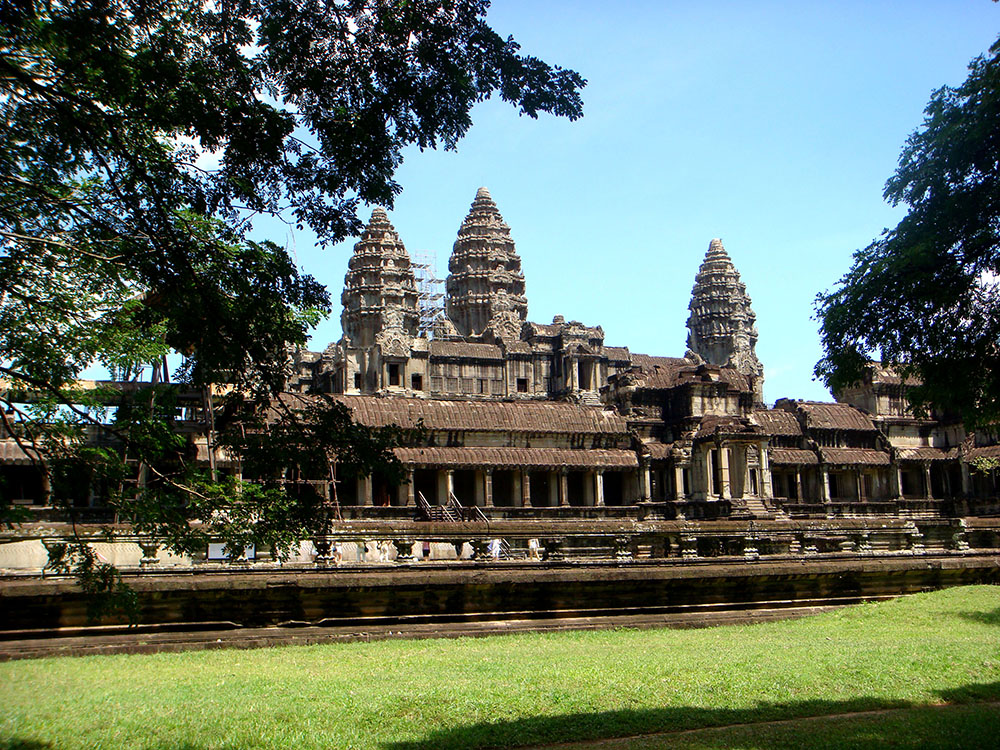
Angkor Wat is the masterpiece of King Suryavarman II. Built in the early 12th century, Angkor Wat was dedicated to the Hindu god Vishnu. Symbolizing the Hindu Cosmos with its central tower representing Mount Meru, the abode of the gods, surrounded by a moat representing the cosmic ocean.
The central tower of Angkor Wat served as the funerary chamber of King Suryavarman II.
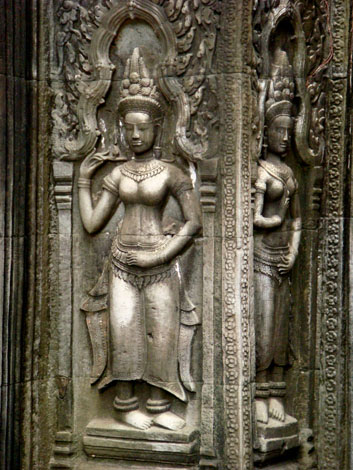
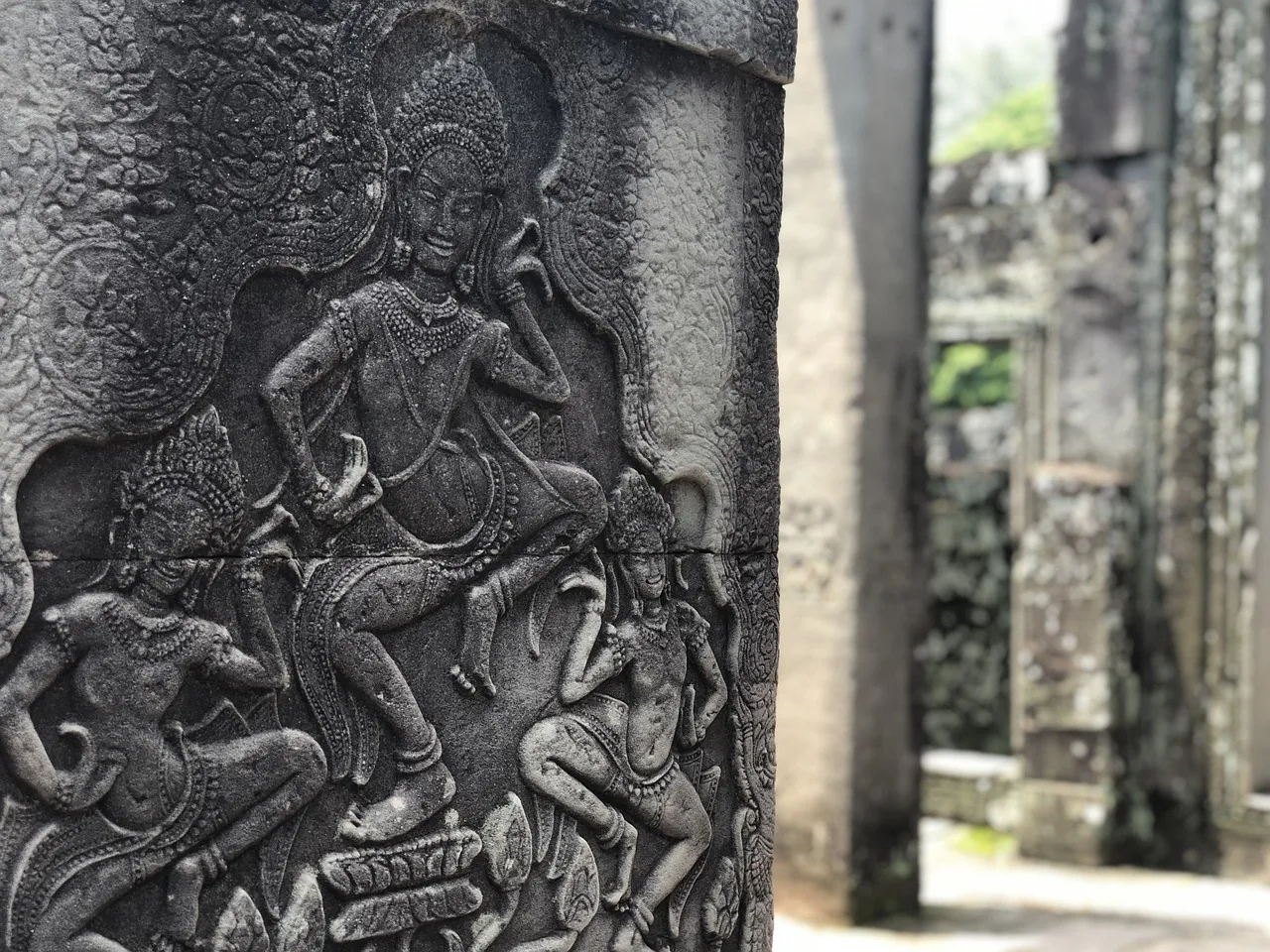
The stunning and extensive reliefs tell tales of the Ramayana and Mahabharata epics including the Churning of the Ocean to obtain amrita-the milk of eternity- out of which celestial Apsaras were born becoming dancers of the royal court. The apsaras, portrayed in dance poses, often fly or dance in the air, symbolizing grace, joy, and the connection between the divine and earthly realms.
Angkor Thom and the Bayon Temple:
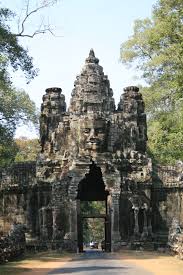
Built by Jayavarman VII- the greatest of the Angkor god-kings during late 12th century when Angkor was at its peak. Jayavarman VII had successfully defeated the invading Chams of present day Vietnam, proclaimed Mahayana Buddhism as the state religion and provided great infrastructure for his people including the construction of 102 hospitals.
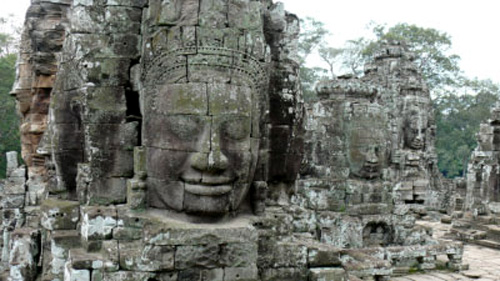
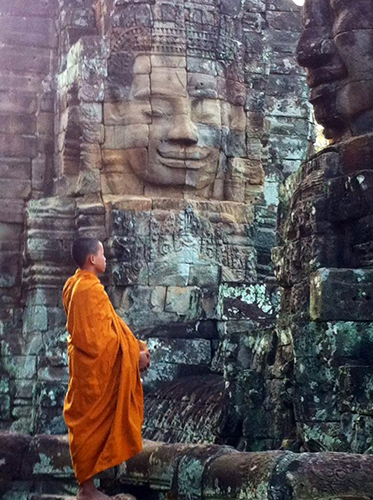
The Bayon Temple is unique for its 54 towers each with four faces depicted as guardians of the cardinal points and the four immeasurable qualities:
compassion, loving kindness, empathy, equanimity.
It is also said these faces symbolize Jayavarman VII as Avalokitesvara, the Buddha of Compassion.
These faces which have survived the centuries truly lay testimony to being witness to all Cambodia and humankind has gone through, in the past, as well as the present.
The Birth of Angkor
Jayavarman II has grown up in the Java court under the Sailendra dynasty after they took over what was the kingdom of Chenla ( present-day southern Cambodia and Vietnam.)
In 802, Jayavarman II returned to his homeland and ventured up to Phnom Kulen, the hill of Kulen north of present-day Siem Reap. Here Jayavarman II performed the sacred devaraja ritual proclaiming himself the God-King and founded the Kingdom of Angkor, unifying Khmer states and establishing the first Angkor capital at Roulos. Later in 11th-12th centuries, beginning with King Suryavarman I, hermits began carving Shiva’s phallic symbols (lingams,) and Hindu deities of Vishnu, Brahma and Lakshmi into the sandstone river bed, meant to sanctify the waters flowing down to Angkors temples.
Kbal Spean known as the “River of 1000 Lingas” is a very special place to visit, hiking into the jungle to see this magical place.
The Barays
The Khmer kings developed a sophisticated hydraulic network of artificial reservoirs, known as barays--and massive canals to manage water of the monsoon rains enabling year-round rice cultivation.
The largest of the barays, the West Baray is nearly 8km long. A visit to this massive, hand-dug ancient reservoir representing the Hindu Sea of Creation is an amazing sight with the island temple of West Mebon at its center.
Beyond Angkor Wat and Angkor Thom are over one hundred other ancient sites to visit. But if your time in Siem Reap is limited to a few days, below is a suggested itinerary allowing the main sites to be taken in.
You simply cannot avoid crowds at Angkor Wat, but a special time to visit Angkor Wat is for sunrise. While many return to their hotels for breakfast, it is worthwhile to take along a picnic breakfast- enjoy a coffee from the local vendors and then proceed to explore the temple site directly after sunrise before the main crowds arrive again.
Watch this National Geographic Introduction to the Lost City of the God Kings:
https://www.youtube.com/watch?v=C5jpbwizxBs
Angkor Temple Passes available for Day Visit, 3- Days or for One Week.
Sunrise at Angkor Wat during March equinox, the sun rises directly behind the central tower- amazing.
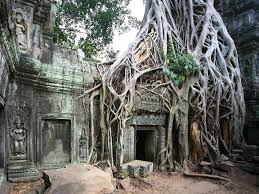
Ta Phrom -the Jungle Temple, left intentionally in this state for visitors to imagine what these temples looked like they were rediscovered after being lost in time.
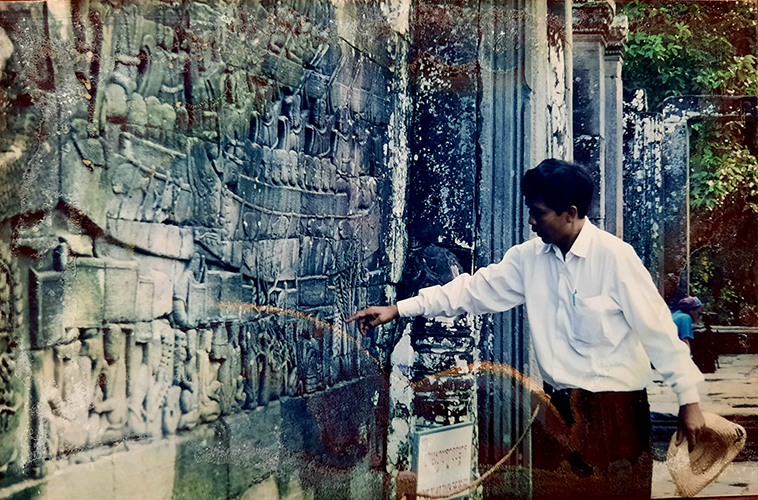
Suggested Itinerary for a 3-day pass:
Day 1: Sunrise Angkor Wat and afternoon Angkor Thom, Bayon Temple, Terrace of the Elephant Kings and do a quiet walk to a peaceful little temple of Preah Palilay behind the Elephant King Terrace.
Day 2: Morning: visit Tonle Sap Lake and the floating village. After a day of walking, it is nice to just sit in a boat and let life come to you. Getting the boat at Mey Chrey is the less commercial lake experience.
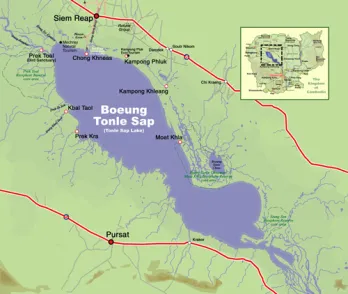
Tonle Sap Lake is the largest freshwater lake in Southeast Asia. During the rainy season, the Mekong reverses flow expanding the lake five times the size. Tonle Sap provides a major livelihood for fishing communities in Cambodia. You can also learn about Sam Veasna Conservation Birding Tours– link below.
Afternoon: visit Ta Phrom– the Jungle Temple with nature and banyan trees overtaking the structure, built by Jayavarman VII, dedicated to his mother.
Day 3: Early morning set off to Banteay Srei– approx 45 min drive from Siem Reap to this exquisite 10th century temple in pink sandstone. Then option to continue on to Kbal Spean – a hike into the forest to the River of Lingas. Worthwhile to stop at the Landmine Museum on the way- an eye-opening education.
Another important main temple to take in if time permits and which may get less crowds is:
Preah Khan– also built by Jayavarman VII. Restoration with the help of World’s Monument Fund.
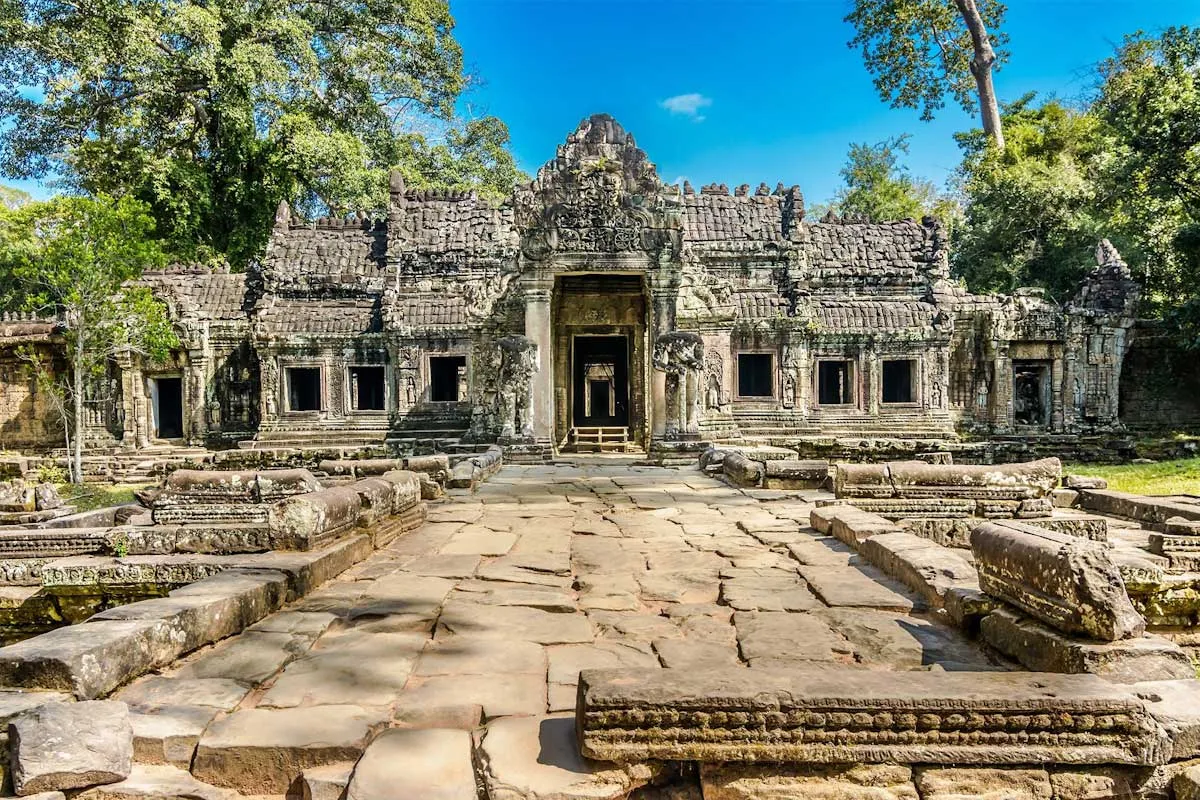
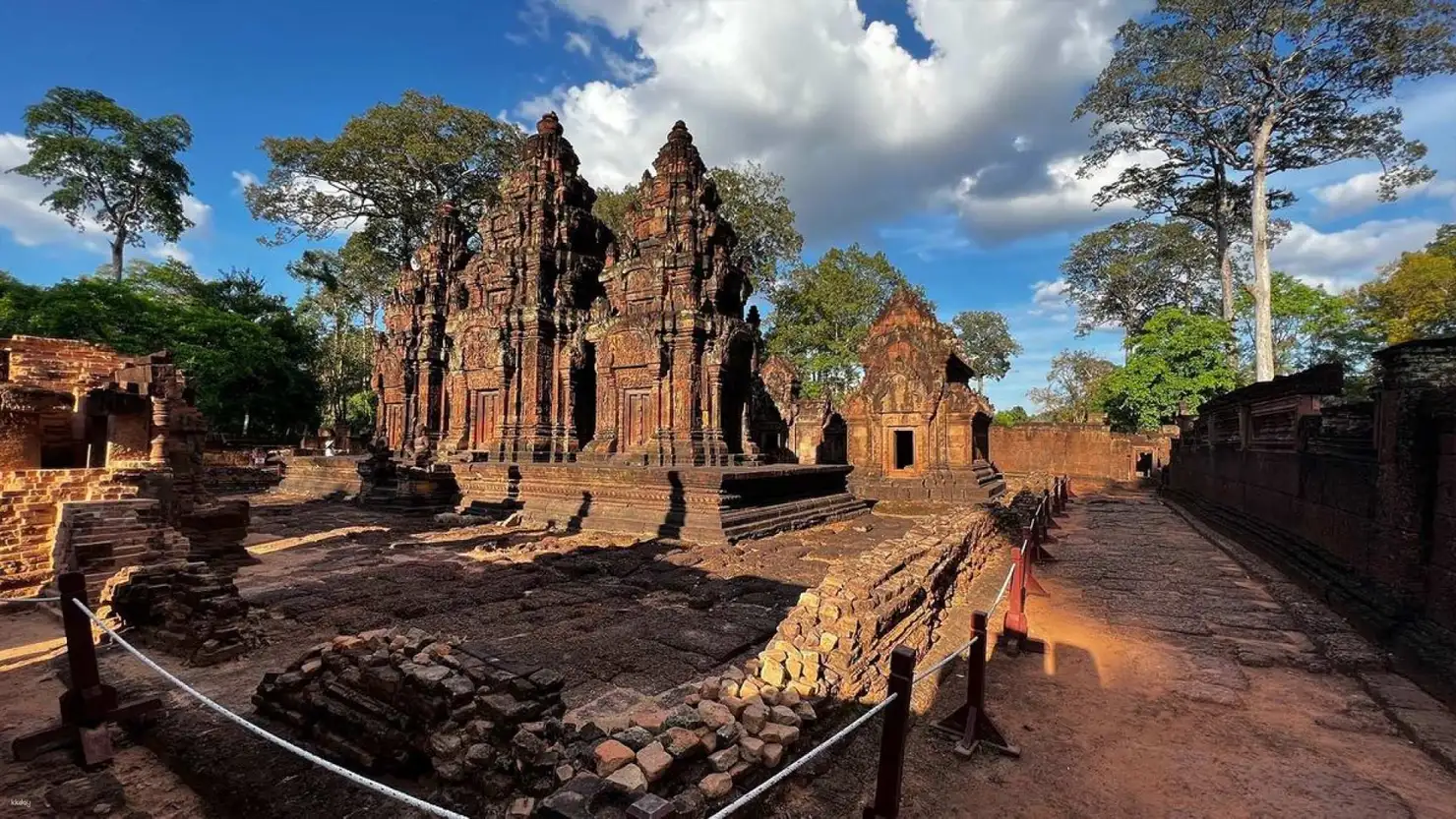
Preah Khan dedicated to Jayavarman’s VII father, and precious Banteay Srei in pink sandstone.
Suggested Smaller temples to explore within the Angkor archeological zone include:
Neak Pean, Pre Rup and Ta Som.
The Rolous Group dating back to early Angkor period.
Further Beyond the Angkor archeological zone are the more hidden temples to explore such as
Beng Mealea, Bantaey Chhmar and Preah Vihear.
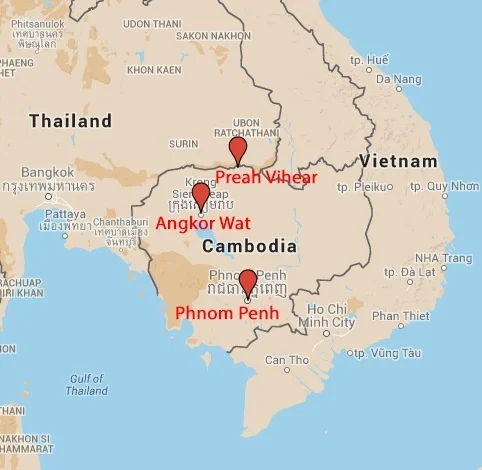
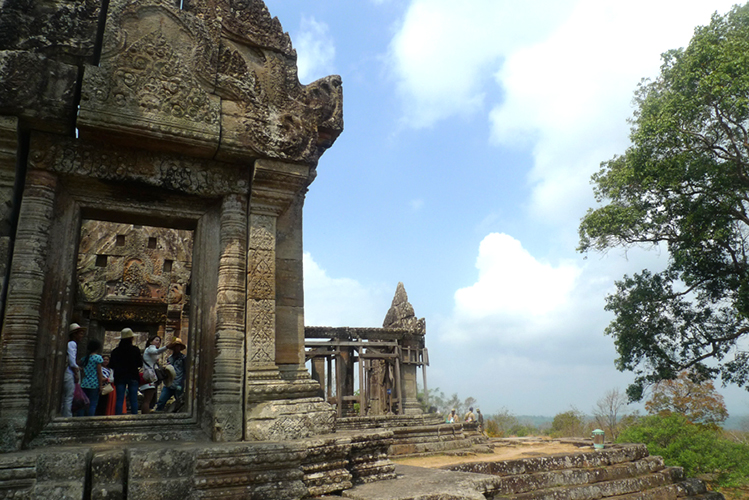
Preah Vihear: 3-4 hours to the north of Siem Reap is the stunning temple complex set on a dramatic cliff, which dates back to 9th century under King Yasovarman I.
Preah Vihear has been sadly caught up in the border dispute between Cambodia and Thailand.
May leadership come together to resolve this conflict for this ancient site to remain in peace for mankind.
See more from a trip to Preah Vihear:
https://alamasia.net/preah-vihear/
Hotels in Siem Reap:
You can’t help but notice the many big hotels that have mushroomed around Siem Reap- especially along the Old Airport road. The area around the Old Market in town, is filled with small hotels and guesthouses.
A long time established hotel not far from the Old Market and nicely refurbished:
Viroth’s Hotel: https://www.viroth-hotel.com/
Local Guide in Siem Reap:

Sopheara
a wonderful licensed national guide who I have known since his early years as a Tuk-Tuk driver. Sopheara has truly blossomed with his passion to share his culture and can assist with arrangements by private car or by tuk-tuk to explore Angkor and beyond. He knows all the hidden sites.
Email: guidesopheara@gmail.com
Mobile/Whats App: +855- 12-979-141
or contact :
Affinity Angkor Bespoke Tours:
https://www.affinityangkor.com/
Sam Veasna Conservation Wildlife and Birding Tours to Prek Toal Bird Sanctuary:
https://www.samveasna.com/about-us
Siem Reap has a new airport!
The new international airport ( SAI ) is a 50 km drive from Siem Reap town.
Maps:
Canby Publications publishes free local guide booklets found at most hotels and restaurants.
Click below for online maps and listings:
http://www.canbypublications.com/angkor-cambodia/angkor-temple-guide.htm
Places to Eat:
Around the Old Market are lots of local eateries and behind the market, is a lively pedestrian alley lined with nice little restaurants serving all cuisines.
Khmer Kitchen was one of the original family places and still serves great Khmer food.
Sala Bai Hospitality School and Restaurant:
a wonderful school giving opportunity to underpriveleged youth.
Open for lunch only. There also have four guest accomodations at very reasonable rates supporting the school: https://www.salabai.com
Closed during school breaks.
Peace Cafe:
Vegetarian Garden Cafe and community centre networking to good causes in Cambodia.
www.peacecafeangkor.org
Dance:
Be sure to see a Traditional Apsara Dance show:
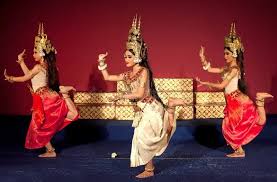
Imagine the celestial nymphs coming out of the stones of Angkor. Dance performances are held nightly at many of the hotels along with dinner.
Folk Dances are also included in the Apsara dance shows performed by light-hearted youth.
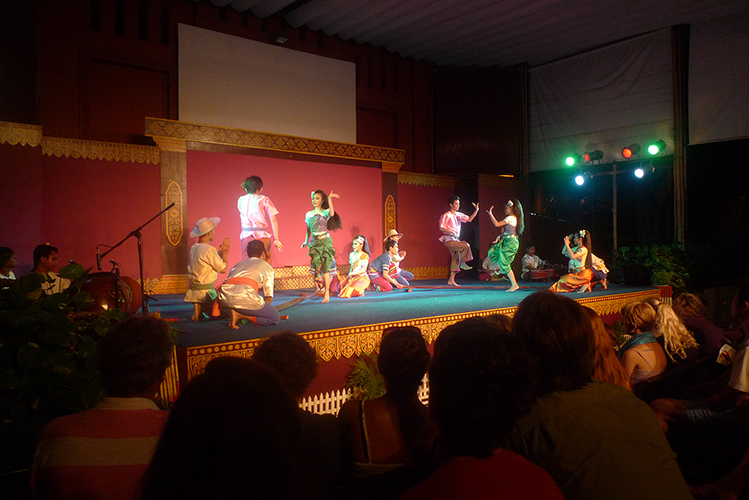
It is such a delight to feel the joy and fun of young artists, You may also be able to see one of the giant Shadow Puppet plays.
Phare Ponleu Selpak
a Cambodian Cirque de Soleil! a Circus with a Purpose
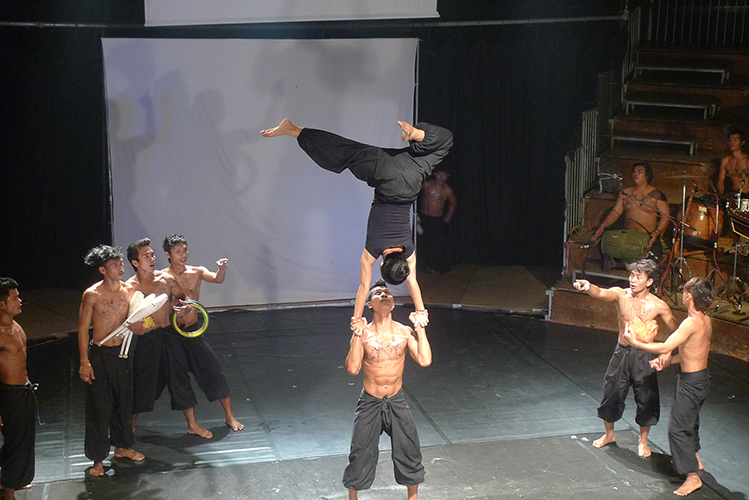
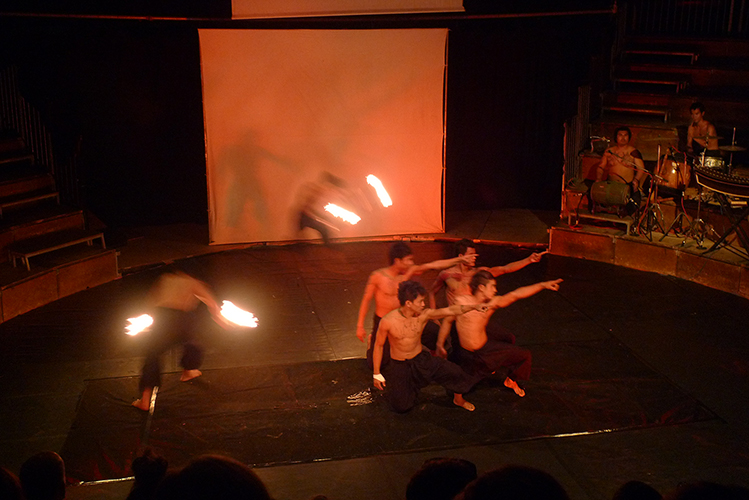
This vibrant group started in Battambang with youth expressing and healing themselves through the arts. Now grown into a wonderful school – their amazing performances in Siem Reap is an experience not to be missed: https://pharecircus.org/
Other Places to Visit and Support:
Angkor Hospital for Children – training Cambodian doctors- Healing Children, Healing Cambodia. Founded by photographer Kenro Izu and Friends without a Border: https://www.fwab.org/
The Visitors Center has a beautiful photo gallery supporting the hospital:
https://angkorhospital.org/
Cambodia Landmine Museum– Educating for a Landmine-Free World!
Learn more about the story of Aki Ra who disarmed so many landmines on his own.
Located on the way to Banteay Srei temple:
https://www.cambodialandminemuseum.org/
Khmer Rouge Memorial: if no time to visit Phnom Penh to learn more about the dark period under the Khmer Rouge, there is a small Killing Fields Memorial on the way to the Angkor temples, honoring the souls that tragically perished.
Child Safe Network: protecting children from exploitation:
Learn more: https://thinkchildsafe.org/about-us/
Crafts:
Artisans d’Angkor: beautiful craft work which grown so much since its beginnings.
Have a tour of the Angkor Silk Farm close to the old airport, and you can combine a visit to the West Baray.
Or visit their workshop in town, not far from the Old Market, also producing wood and stone carvings and beautiful laquerware.
More on: https://artisansangkor.com/
Senteurs d’Angkor: Supporting Cambodian Handicraft since 1999.
https://senteursdangkor.com/
Battambang:
If venturing to Battambang a few hours drive from Siem Reap:
Maisons Wat Kor- a boutique Hotel in the heart of a Khmer Village.
Phare Ponleu Selpak– the Khmer Cirque de Soleil mother school. Changing Lives through the Arts:
https://phareps.org/
Phnom Penh:
Stories of a Dark Past and a Vibrant Revival. Learn about a renaissance in the performing arts, and where artisans with different abilities continue to produce beautiful Cambodian Handicraft:
CLICK HERE
Wishing you wonderful, meaningful Journeys! Travel Gently and Live Consciously